
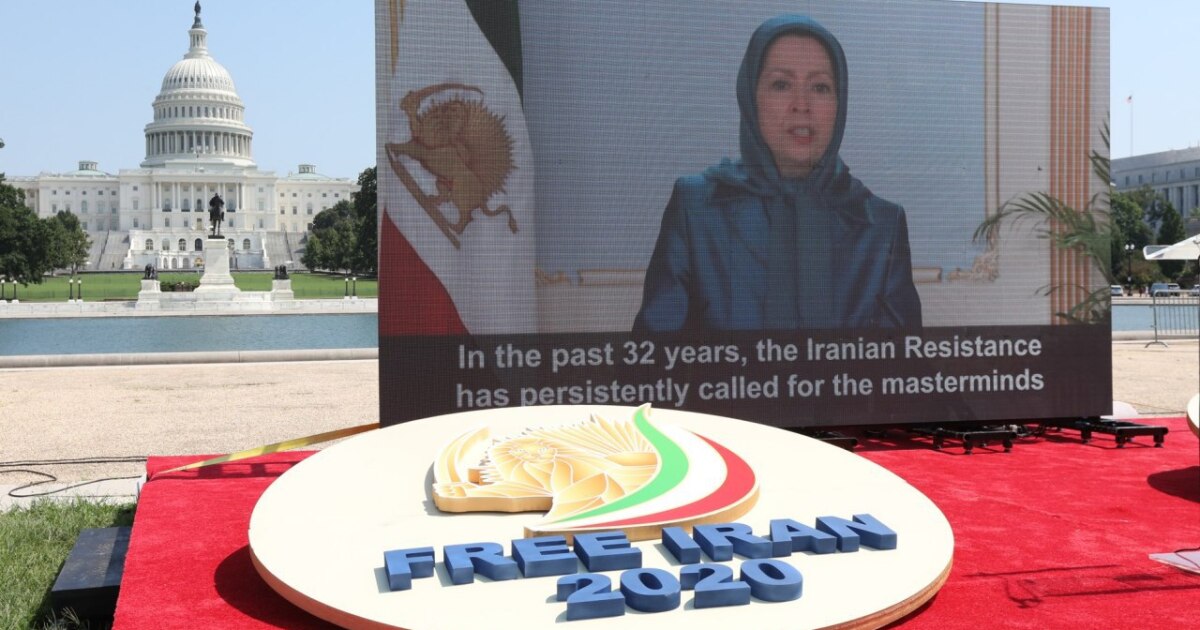
I once asked a senior American official about why he accepted honoraria from the Mujahedin-e-Khalq, or the MKO, given the group’s cultlike nature and its lack of popularity inside Iran. His response: Even if the group lied about its support, they said the right things about democracy and regime change, and so he saw no harm in collecting the cash. The regime’s fall, he said, would be a moment of truth: Either the MKO would prove itself right, or its political Ponzi scheme would collapse.
The problem with engaging in the MKO’s endorsement-for-cash scheme is the impact it has on ordinary Iranians. I spent seven months in Iran during the 1990s, during both the administrations of the late President Ali Akbar Hashemi Rafsanjani and his successor Mohammad Khatami.
MKO representatives have rejected my calls that they open their books and suggested I must do so first, suggesting that this Jewish neoconservative ex-Bush administration Iran hawk must be, if not a Manchurian candidate, then a “Mashhadian” one supporting the ayatollahs’ regime. This is silly but reflective of MKO diversion. There is no secret about my time in Iran: First Yale University and then the American Institute of Iranian Studies funded my work, which focused on language study and archival research in pursuit of a Ph.D. dissertation about telegraphy in 19th-century Iran. So too was my participation in a Tabriz conference marking the 90th anniversary of the 1909…
