
SINGAPORE – Keying in your personal details to access free Wi-Fi at a cafe might sound harmless, but it could lead to a lifetime of regret.
Fraudsters can get their hands on such information – through hacking or buying it illegally – and claim to be from government agencies to manipulate people into handing over their life savings, said Assistant Professor Kang Hyunjin from Nanyang Technological University (NTU).
She said: “Many victims don’t realise they are being cheated as they underestimate the lengths these swindlers will go to steal from them.”
Prof Kang, who is from NTU’s Wee Kim Wee School of Communication and Information, said this is an example of how scams have evolved – scammers are increasingly using technology to gather data on victims.
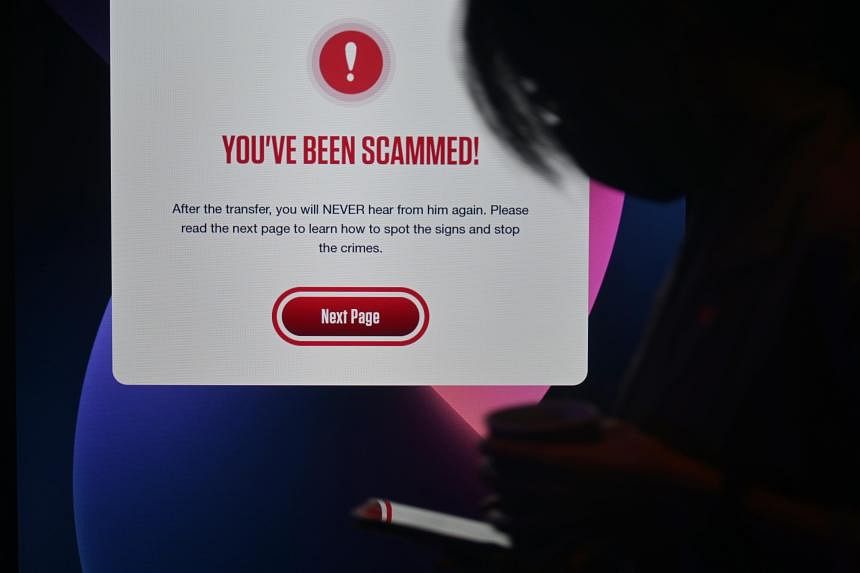
On Jan 29, 2022, The Straits Times launched its Stop Scams campaign to highlight the rising number of scam cases and the agony victims experience when they have been scammed.
The campaign also wanted to help the public spot signs of scams to avoid being duped. Victims in Singapore lost at least $633.3 million to scammers in 2021.
The sum lost that year is almost 2.5 times the $268.4 million stolen by scammers in 2020. A total of $346.5 million was lost to scams in the first half of 2022.
Experts The Sunday Times spoke to said scams have over the years also become more insidious as scammers adopt a more personal approach to gain the trust of victims.
Covid-19 exacerbated the problem as people were…
