
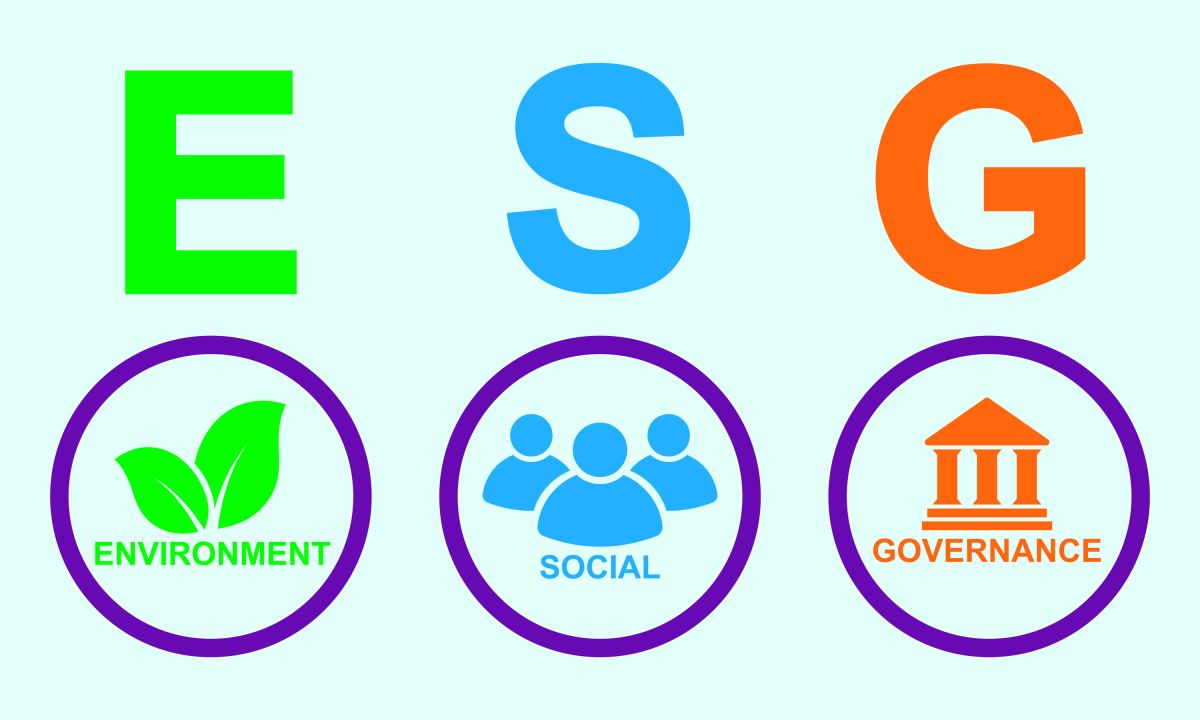
ESG is a tool that seeks to expand upon a traditional analysis of corporate value by including environmental, social and governance metrics. This approach recognizes that ESG factors, though labeled “non-financial” in traditional accounting terms, may still be critical to a company’s bottom line.
Almost twenty years ago, investors found that companies with better management of ESG factors tended to match or outperform (opens in new tab) their peers, especially over the long term. In other words, companies that anticipated market stressors or opportunities related to sustainability—such as growing water scarcity—would be better positioned to thrive in that future environment. Since then, ESG investing has blossomed into a multi-trillion-dollar industry that relies on many different approaches.
Sign up for Kiplinger’s Free E-Newsletters
Profit and prosper with the best of Kiplinger’s expert advice on investing, taxes, retirement, personal finance and more – straight to your e-mail.
Profit and prosper with the best of Kiplinger’s expert advice – straight to your e-mail.
What Does ESG Mean?
ESG investing breaks these risks and opportunities into environmental, social, and governance metrics. What does that mean in practice?
- Environmental. An environmental analysis of a company will assess how big an impact the company makes on the environment…
