
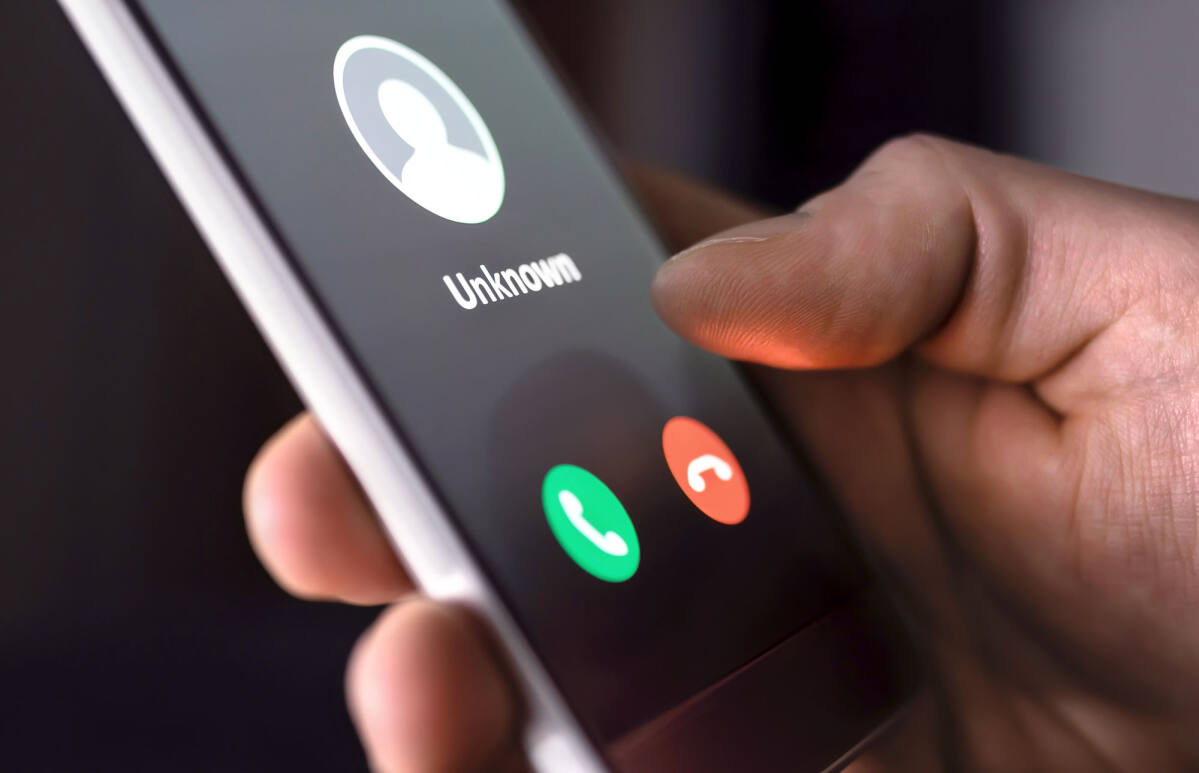
To hear the callers on the other end of my cell line tell it, I’m in trouble.
My Apple account has been compromised. My car warranty is out of date. I have bills that are being sent to collection. I just need to press a number, provide my username or share my Social Security digits.
Getting spam calls, sometimes several times a day, is annoying, but it can also be scary and even financially devastating.
According to the 2022 TrueCaller US Spam & Scam Report, roughly 68.4 million Americans lost $39.5 billion to phone scams in the past year, the highest numbers in the survey’s eight-year history.
We’ve all gotten used to spam calls — we receive an average 31 per month — and probably like to think they’re easy to spot at this point. But, scammers have gotten increasingly sophisticated, especially with the rise of caller ID spoofing, which allows callers to make it seem like a call is coming from a local number (neighbor spoofing) or a trusted business or government agency.
Last week, the wife of my newsroom colleague Tom Sepulveda received a call from their bank, Redwood Credit Union — at least that’s how the incoming number was listed.
The person was calling about suspicious transactions on her account. The caller just needed a username.
Tom’s wife was hesitant but also preoccupied, so she went along. He listed a few of the supposed suspicious charges and then said he’d send a link for her to reset the password on the account.
That’s when she…
