
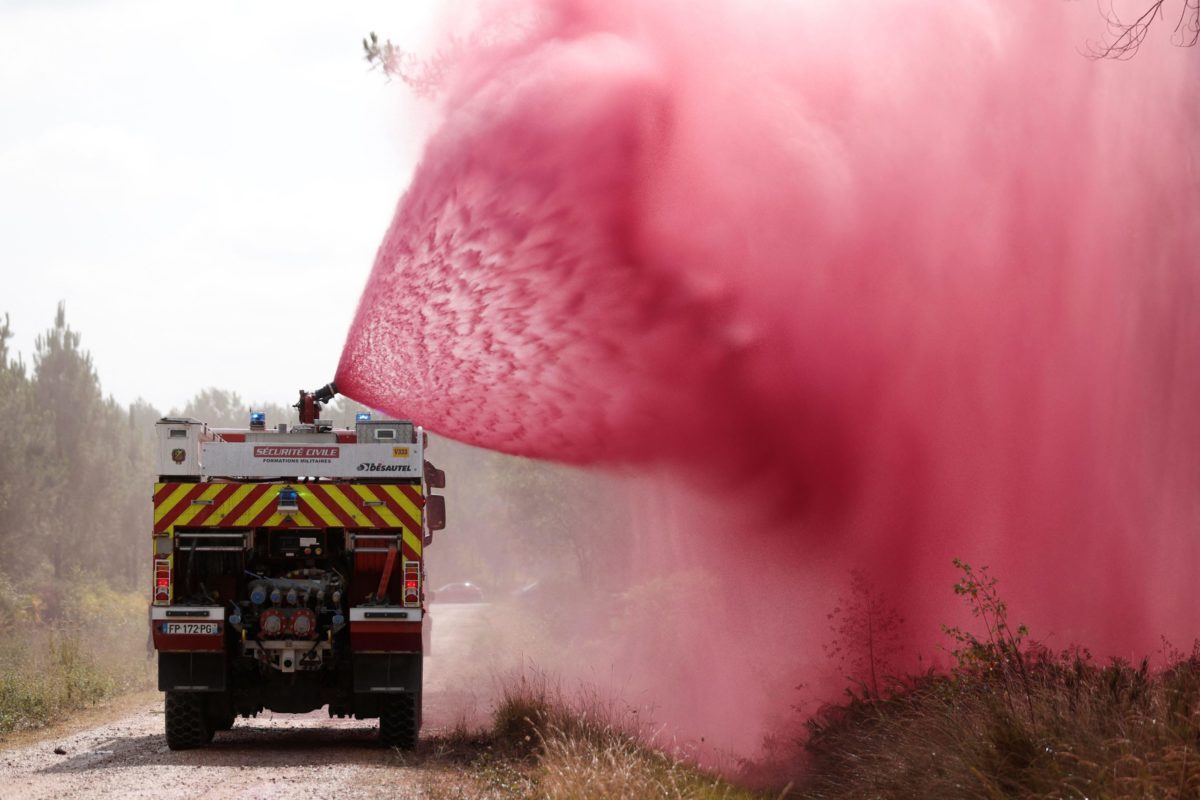
In July this year, a wildfire broke out in a forest plantation in northeastern Spain, consuming 14,000 hectares of trees in Bubierca, Aragon. There were many such fires across southern Europe this summer, during the continent’s worst drought for 500 years. But this was not any forest. The trees that burned were part of a reforestation project by a Dutch-based company, Land Life, which was selling the trees’ carbon capture to industrial polluters so they could offset their emissions and comply with European Union climate laws.
The company’s website invites companies to “turn their CO2 into forests”. In this case, these forests have now been turned back into CO2.
Land Life has not yet revealed how much carbon was returned to the atmosphere during the blaze in Bubierca. But it has admitted that the fire was started by a spark from an excavator being used by a local contractor in the plantation nursery. Oops.
The mishap is one of a growing number of wildfires in carbon-offset forests that are calling into question claims that the booming business in so-called “nature-based solutions” can help fight climate change.
Plantations feeling the heat
Offsets of various kinds are a growing element of efforts to curb the build-up of CO2 in the atmosphere. Most major companies that have committed to achieving net-zero emissions have plans to employ them; so do most national governments as part of achieving their nationally determined contributions under the Paris climate…
