
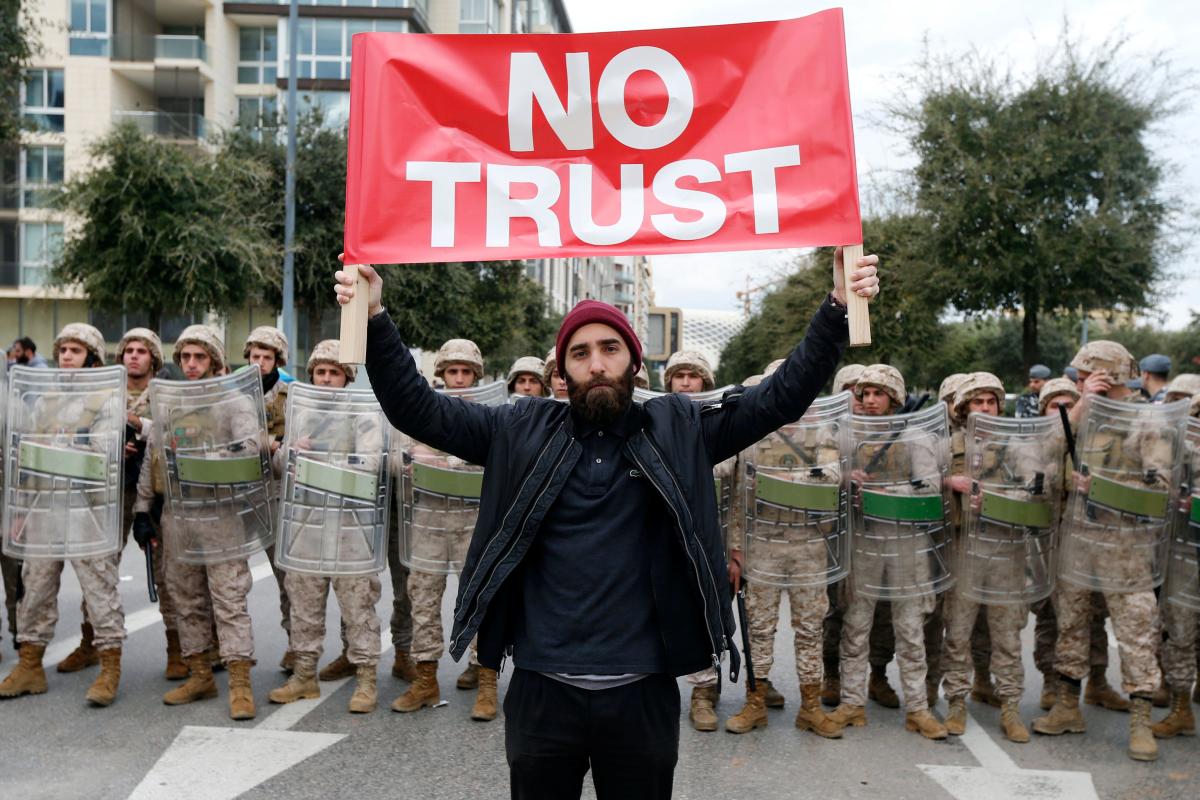
For the last two and a half years, Lebanon’s economy has been in free fall. The country’s currency, the lira, has lost more than 90 percent of its value against the U.S. dollar; GDP has shrunk by nearly 60 percent; and close to 80 percent of Lebanese have slipped below the poverty line, along with practically all of the 1.5 million Syrian refugees living in Lebanon. Hundreds of thousands of people have fled the country.
The crisis, which is among the worst to hit any country in modern history, was precipitated by the collapse of what UN Secretary General António Guterres described as “something similar to a Ponzi scheme”: for years, the country’s central bank used ordinary bank depositors’ money to finance the corrupt and wasteful spending of successive Lebanese governments. Participants in the scheme reaped huge returns—until 2019, when it all came tumbling down. The pyramid scheme may not have been technically illegal, but it nonetheless amounted to corruption on a grand scale: Lebanese elites made a killing, spirited their ill-gotten gains abroad, and left millions of their impoverished countrymen holding the bag.
But the crisis wasn’t just caused by greed and corruption; it has been prolonged by the unwillingness of those who are responsible to change their ways or to assume their fair share of the country’s massive financial losses. International donors are willing to discuss a bailout that could right the economy, but Lebanese leaders…
