
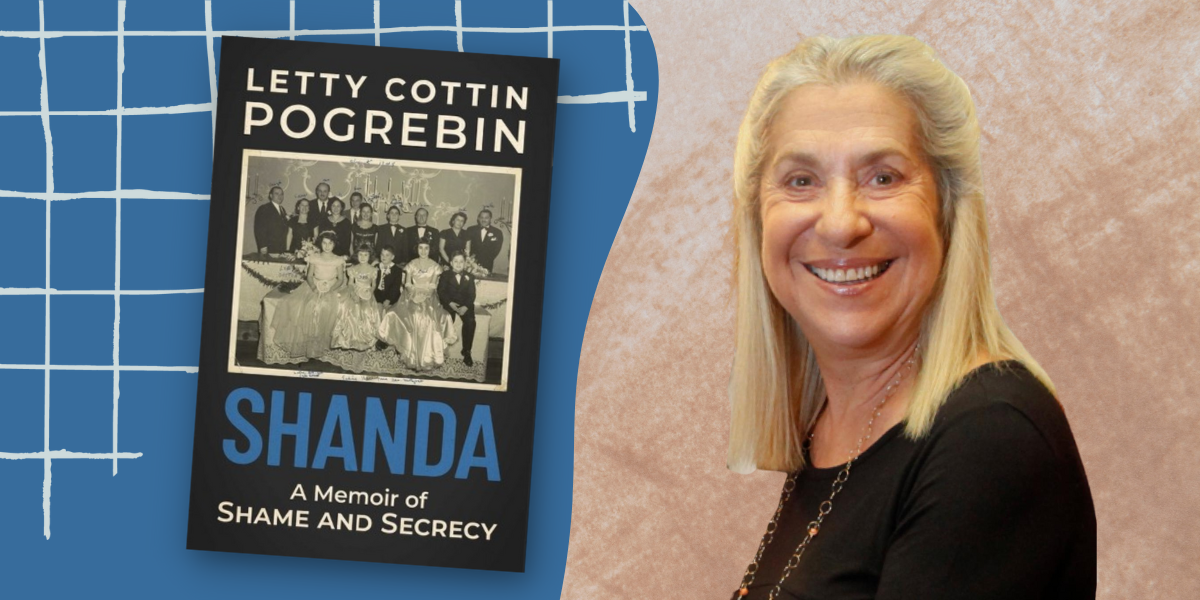
But, this leaves me with a question about the future of Jewish identity.
Once upon a time, our parents and grandparents could, and would, complete the following sentence: “Jews don’t ________________.”
We had our list of answers:
- “Jews don’t buy retail.”
- “Jews don’t make racist jokes.”
- “Jews don’t play or enjoy violent sports.”
- “Jews don’t hunt.” (Because of the prohibition against cruelty to animals, and also because the biblical Esau was a hunter – which was, by the way, a shanda).
I once gave a sermon on that last statement – “Jews don’t hunt” — in a Southern congregation.
During the oneg Shabbat, a few congregants approached me to tell me, in no uncertain terms, that Jews do, in fact, hunt.
Is it still possible to make the statement: “Jews don’t…”?
I wonder.
And, I wonder what happens to a culture when there are no longer taboos.
I believe that the era of shanda has vanished — if only because our children and grandchildren will lack the ethnic Velcro to see Jewish bad actors as somehow inextricably linked to them.
While shanda has evaporated, another Yiddish word might be experiencing a renaissance — though perhaps not in the original Yiddish.
I am talking about past nischt — that there are things that Jews should not do.
Shanda was about what others might think. The Other has the power to define you and evaluate you.
Past nischt is about what we — in the form of Jewish history, Jewish values — and we…
