
Scams, and the con artists behind them, are forever evolving and becoming more sophisticated and harder to spot.
ACM has compiled a list of current scams identified on sites such as scamwatch.gov.au, cyber.gov.au and the Australian Competition and Consumer Commission’s website dedicated to informing people about fraudulent and dishonest activities.
DON’T FALL FOR IT: Scammers are using sophisticated methods to fool unsupecting parents into parting with money.
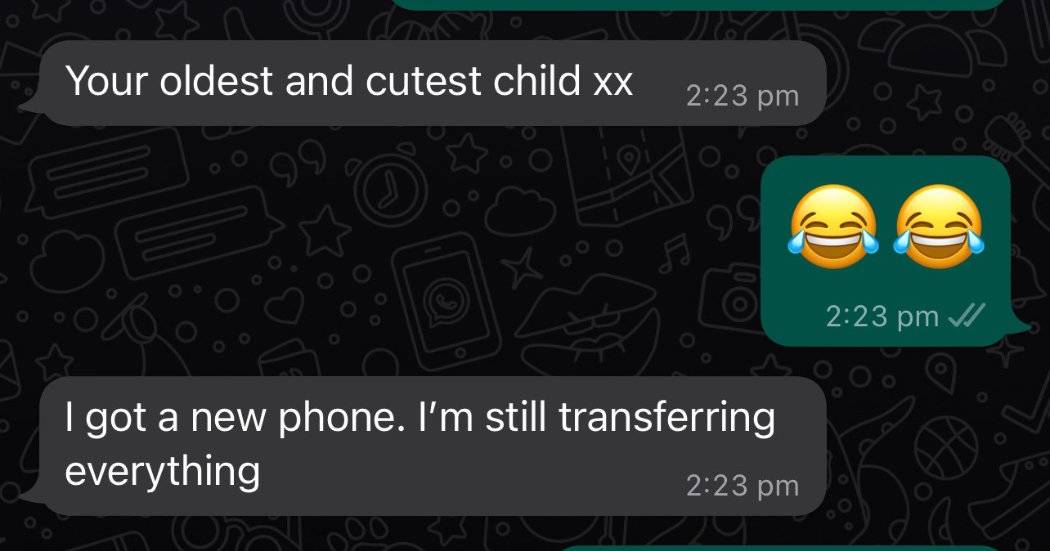
- Scamwatch is urging people to beware of “mum and dad” scams targeting unsuspecting parents.
- Scammers are posing as family members using a different number and asking for money.
- Often they will start a conversation using evasive language by telling the parent that they are the “youngest and cutest” of the siblings in an effort to build trust and avoid giving actual proof of the relationship.
- The scammer will likely say they had to get a new phone number or messaging device.
- They might even ask you to block or delete their ‘old’ number.
- The motive behind the scam is to convince the parent that they should transfer money to the scammer.
- Once the unsuspecting parent is engaged in the in conversation, the scammer will likely ask to borrow money or have a payment made on their behalf.
- The scammer may say that online banking is unavailable on the new device – and an offer to pay it back.
- If you get a message like this, always call your relative on their usual number to confirm.
- Do not transfer money without confirming the identity of the recipient.
- It is understood that this scam has defrauded Australians of more than $2 million already.
- If you have lost money to a scam contact your bank or financial institution as soon as possible and report the matter to police.
- It is unlikely that a victim we recover money lost to a scam but there are measure victims can take to prevent further loss.
- Visit www.scamwatch.gov.au/get-help/where-to-get-help to find out more.

SHODDY INVESTMENT: Losses suffered by Australian victims of imposter bond scams increased by 265 per cent in the first half of the year, compared to the same period last year.
- Losses to imposter bond investment scams have nearly tripled in the first half of this year with consumers losing over $20 million to these sophisticated scams, according to scamwatch.gov.au.
- Imposter bond scams usually impersonate real financial companies or banks and claim to offer government/Treasury bonds or fixed term deposits.
- People often fall victim to them after searching online for investment opportunities and completing inquiry forms via fake third-party comparison sites.
- The latest Scamwatch data reveals there were 228 reports of imposter bond scams between January and June, compared with 82 reports in the first half of last year.
- Losses suffered by Australian victims of imposter bond scams increased by 265 per cent in the first half of the year, compared to the same period last year. However, the true losses to these scams are likely to be much higher, as research shows that only around 13 per cent of scam victims report their losses to Scamwatch.
- As interest rates rise, people looking to invest in bonds are falling victim to these scams after searching online for investment opportunities. This is often after they complete inquiry forms on fake third-party comparison websites.
- These comparison sites can appear very convincing, and people are providing their details under the impression that these are legitimate Australian sites comparing real financial services.
- Convinced they are making a long-term, legitimate investment, it’s common for victims to deposit larger sums upfront and not check their account for months before realising they were scammed.

DON’T CLICK THE LINK: Test messages like this one, claiming to be from Medicare, are doing the rounds. Picture: Anna Wolf
- Fraudsters have ramped up text messaging scams that target Australians during the pandemic.
- The latest text phishing scam involves an SMS claiming to be from Medicare.
- The text identifies the recipient as a close contact of someone who has tested “positive for omicron” (sic).
- It advises the recipient to order a “testkit” via a link included in the message.
- People who received this message are advised not to clink on the link but to delete the text immediately.
- Scammers pretending to be government agencies providing information on COVID-19 through text messages and emails are “phishing” for your information.
- These contain malicious links and attachments designed to steal your personal and financial information.
- Don’t click on hyperlinks in text/social media messages or emails, even if they appear to come from a trusted source.
- Never respond to unsolicited messages and calls that ask for personal or financial details – just press delete or hang up.
- Never provide a stranger remote access to your computer, even if they claim to be from a telco company such as Telstra or the NBN Co.
- To verify the legitimacy of a contact, find them through an independent source such as a phone book, past bill or online search.
It’s a rental scam but with a twist

Scamwatch: Don’t let scammers tug on your heartstrings
- Rental scams offering places to live have been doing the rounds on social media sites such as Facebook for quite a while but now there’s a new way scammers are avoiding detection.
- Traditionally these scams target people seeking new rental accommodation by offering fake rental properties to convince people into handing over money or personal information.
- The latest scam involves unsuspecting victims being hired to list a property for rent on classified sites.
- The target is being used as a rental mule to pass applicants’ personal information and money to a scammer.
- The scammer may reach out via social media and ask to employ such services as property management, social media expertise or general admin duties.
- They may say that they own multiple properties and want to use a private manager to handle their affairs’ for a fee.
- The scammer may also say they wish to avoid paying ‘exorbitant’ fees associated with professional real estate agents.
- Scamwatch is urging people to be cautious of such advertisements or tactics.
- Scamwatch has issued a warning to anyone who has lost money to scams, not to be fooled twice by fraudulent behaviour.
- If you’ve lost money to a scam, beware of anyone who approaches you and offers to help get your money back.
- These scams target people who have already lost money to a previous scam by promising to help victims recover their losses after paying a fee in advance.
Scams associated with online shopping

THINK TWICE: Consumers are being urged to be vigilant to scams associated with online shopping and mid year sales. Picture: Scamwatch via Twitter
- People looking to capitalise on mid-year online sales are being urged to watch out for the latest associated scams doing the rounds.
- According to scamwatch.gov.au shoppers in a rush to secure discount prices associated with mid-year sales are more likely to fall victim to scams.
- Australia Post is warning that scammers are trying to impersonate the postal service with fraudulent text messages alerting to a parcel delivery.
- The text may say that delivery is unlikely to occur that day and will provide a link to various options for parcel retrieval.
- This text message is known as a phishing scam and should be deleted immediately.
- Phishing messages are designed to look genuine, and often copy the format used by the organisation the scammer is pretending to represent, including their branding and logo.
- Consumers are also being warned of fake online deals during the sales season.
- Australians lost more than $12.9 million to such scams in 2021.
- In an online shopping scam, scammers create realistic looking fake online stores selling items at heavily discounted prices, however the items are fake, or never delivered to buyers.
- Scammers have also created fake stores on social media platforms or post fake ads on legitimate classifieds websites. They may request payment or offer discounts for payments made through direct bank transfers or cryptocurrency.
- Some scammers try to make online stores look legitimate by requesting payment via PayPal or credit card, always double check that the real PayPal platform is being used.

Scamwatch: Don’t let scammers tug on your heartstrings
- It ‘s tax time and unfortunately that means there are several news tax related scams doing the rounds.
- The Tax Practitioners Board (TPB) is warning people to be extra vigilant of scams aiming to lure unsuspecting honest consumers into using the tax services of unregistered preparers.
- According to the TPB, unregistered preparers operate outside of the law, often making money by skimming a portion of their clients’ refunds and charging inflated fees for return preparation services.
- They attract new clients by promising large refunds.
- Some will encourage filing fraudulent claims for refunds on items that their clients aren’t entitled to, while others will obtain myGov sign in details from clients, putting their personal information at risk.
- The TPB recommends visiting its website for its online guide which offers tips for avoiding unregistered preparers.
- Check your tax practitioner is registered on the public register at tpb.gov.au/onlineregister.
- Only registered tax practitioners can charge a fee for tax agent services.
- Be sceptical if an agent offers to secure you unexpected or unexplained payments.
- Never share your myGov password with anyone, even your registered tax agent – doing so puts your personal information at risk.
- You should not allow anyone else to lodge or prepare your tax return through your myGov account.
- Visit www.tpb.gov.au/tpb-taxtime-2022 for more information on unregistered preparers and related scams.
- You can report scams to www.scamwatch.gov.au
Criminals targeting job seekers

Scamwatch: Don’t let scammers tug on your heartstrings
- Queensland Police, the Australian Federal Police and Australian Border Force are warning the community to be vigilant online, following investigations identifying criminals…
