
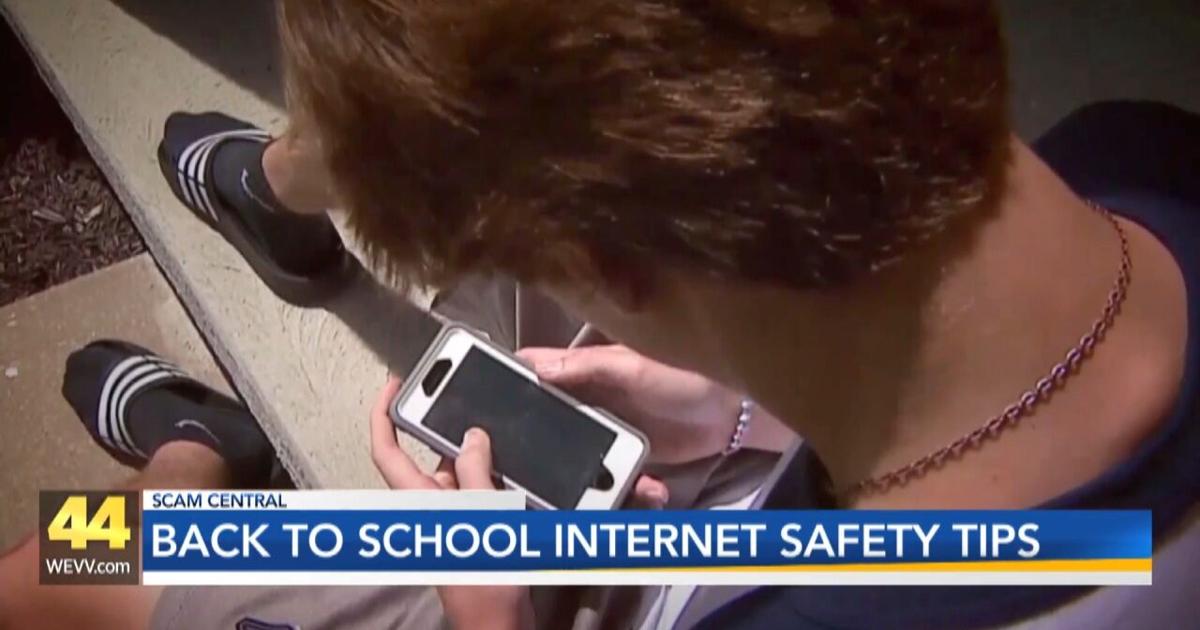
Class is back in session and many students will turn to online sources for their homework.
Parents and teachers should be thinking about how to help them stay safe online and avoid being easy targets for online scammers.
Let’s start with parents. What is a good starting point when discussing internet safety?
Social media is the place to start and here’s why: Social media sites are ripe with strangers with intentions that may be quite different than yours.
Many sites are designed to collect and sell unauthorized user details and behaviors to advertisers looking to engage in targeted marketing. Some kids may falsely create a birthdate to meet the minimum age requirement when creating an account.
What are some of the most common online scams targeting kids?
Contests and giveaways: Contests and giveaways often collect a hefty amount of personal information on their entry forms. Make sure your child doesn’t have access to banking or credit card information and supervise the filling out of any forms.
Phishing: Adults are not the only ones who receive spam and junk mail. Kids often get junk mail, and since they don’t have much online experience, they are more susceptible to click on links and answer questions they probably shouldn’t.
What about online apps? How can parents approach that topic?
Certain apps might collect and share personal information…
