
This story is the second in a two-part series about the Romanovs. Read part 1 here.
In the early 1920s, Russian exiles living in Germany were reeling from the loss of their monarchy. Just a few years earlier, their Tsar, Nicolas II, and his family were executed by the Bolsheviks, a revolutionary party that carried out the overthrow of Russia’s Provisional Government. Royal supporters had few details, but there was hope that one of the Tsar’s children had survived the massacre.
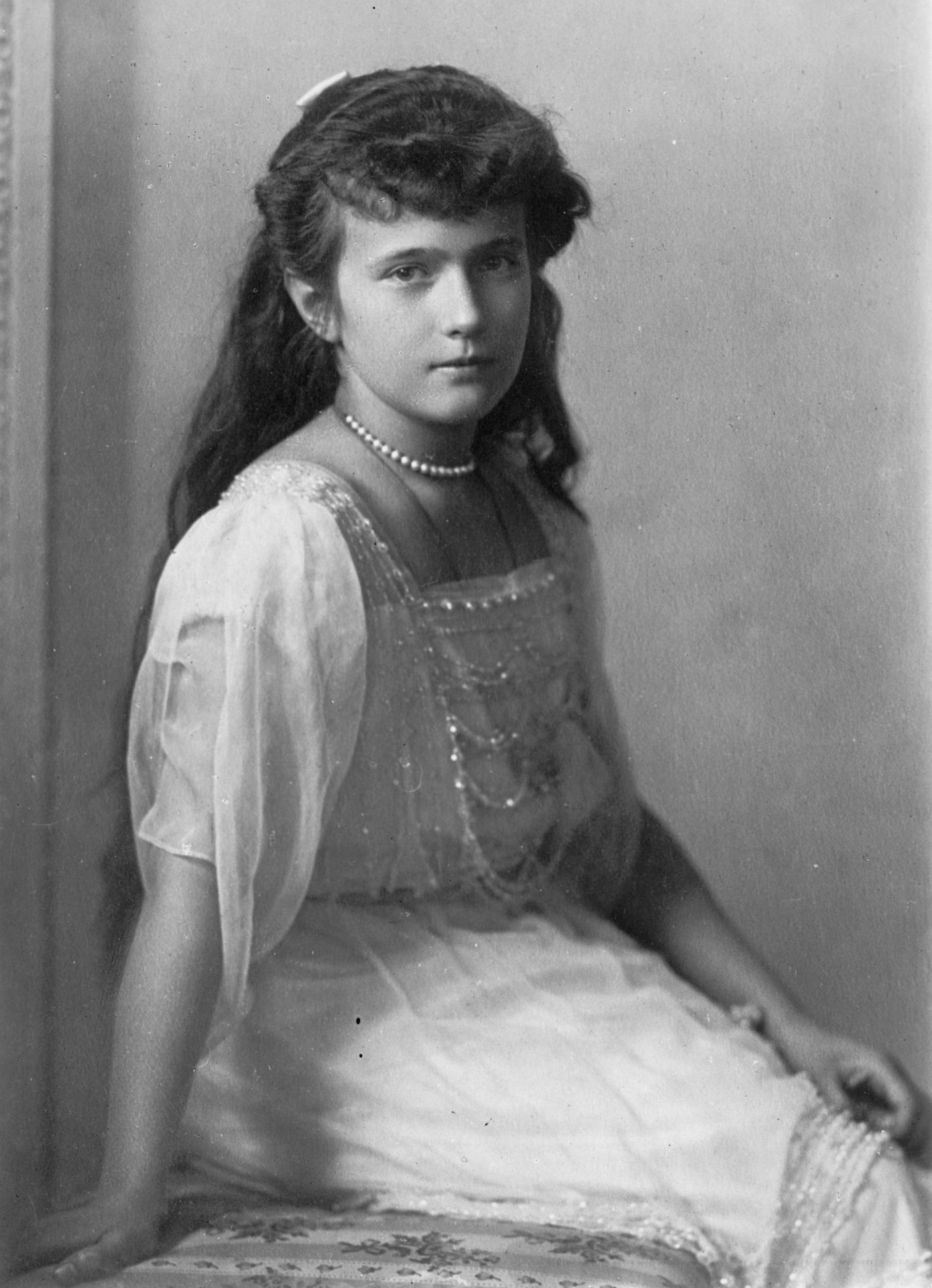
The supporters rallied around a young woman living in a Berlin mental asylum who claimed she was the Grand Duchess Anastasia. She was around the same age as the Tsar’s youngest daughter, and supporters saw a resemblance with her grey-blue eyes. More importantly, she told stories that only someone who was close to the Royal Family would have known.
Supporters helped the young woman, who went by the name Anna Anderson, leave the asylum. They provided room and board and continued to support her even after royal family members denied she was the Grand Duchess. And Anderson wasn’t the only one claiming to be Anastasia. In the Chicago area, an Eastern European immigrant, Eugenia Smith, also said she was the missing Duchess. For decades, she lived in the homes of host families who believed her story.
DNA evidence would eventually prove that both women were imposters. These Anastasia wannabees had motivation to lie about their identity, and they benefited from a life of not having to work or worry. But…
