
By Better Business Bureau mtrevino@cherryroad.com
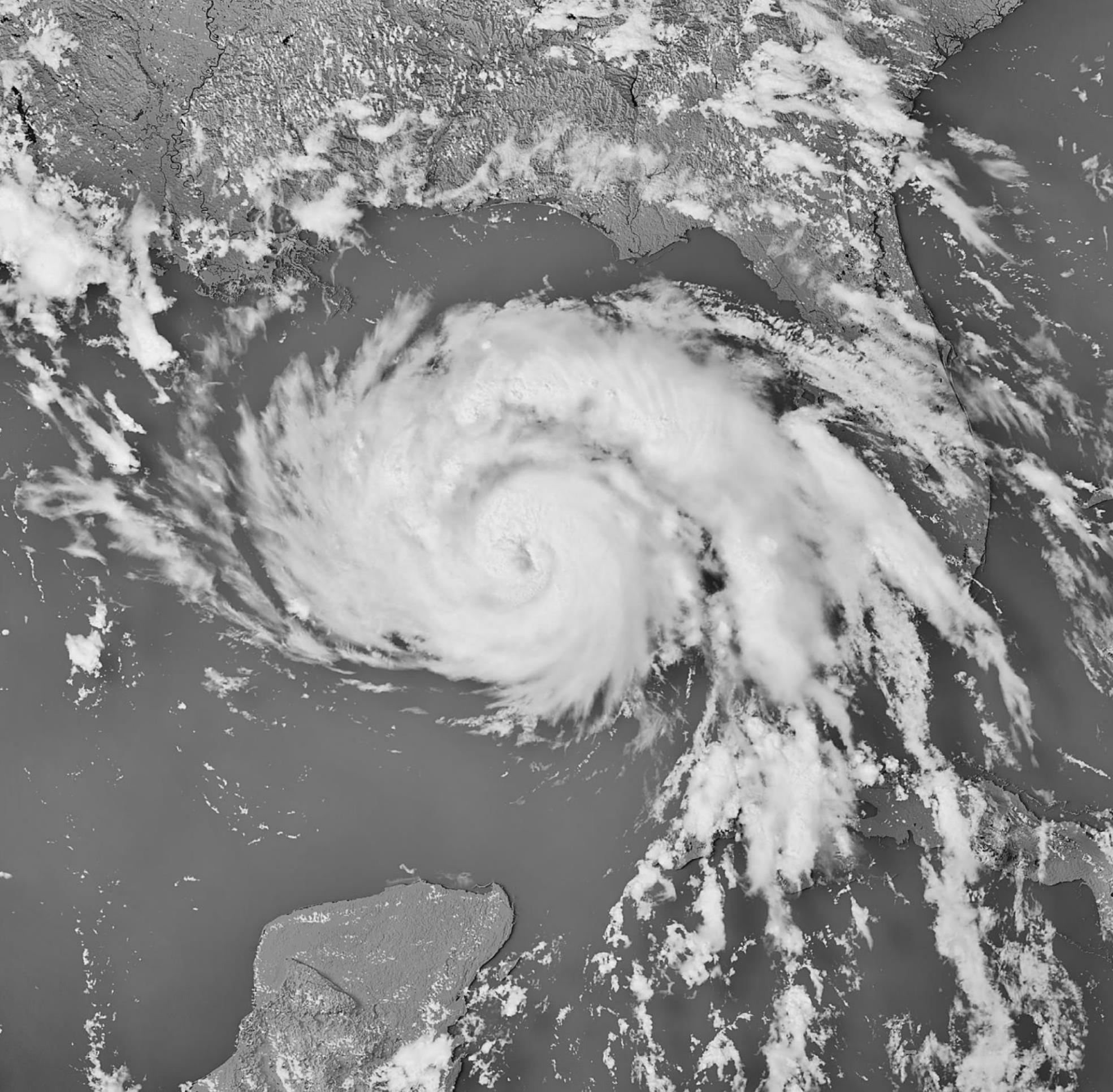
Hurricane season begins on June 1, and forecasters at the National Oceanic and Atmospheric Administration (NOAA) are predicting above-normal hurricane activity in 2022. NOAA predicts, with a 70% confidence, there could be as many as 21 named storms this year, with three to six being classified as a major hurricane (category 3, 4 or 5). With over 350 miles of coastline in Texas, it is important that residents and businesses located in highrisk areas take proactive steps to prepare for the potential of hurricanes.
Hurricane season brings not only weather concerns, but scammers as well. In the home repair business, “storm chasers” are untrustworthy contractors that travel to areas impacted by severe weather, offering their services door-todoor at prices that legitimate companies are unable to match. Believing that it is a good deal, the home or business owner contracts the storm chaser, often by paying for the full project upfront or a significant percentage of the total cost. After receiving payment, storm chasers either leave without starting the project or only partially complete it.
Use these tips from the National Weather Service (NWS) and your Better Business Bureau to prepare for hurricane season and storm chasers:
• Find out if you’re covered. Basic homeowners’ insurance policies often do not include damages incurred from flooding. Basic water damages that most homeowners insurance covers is focused on sudden and accidental situations, such as a busted water pipe. Call your insurance company immediately to report the damage and discuss how to proceed with repairs and ask if your policy includes flood or hurricane protection. Make sure you understand how your insurance company will reimburse your repair costs. Take photos or video of damage inside and outside of your house, as well as in your immediate area.
• Do your research. After an insurance adjuster has surveyed your damage, you will need to find a reputable company to make repairs. Check with BBB. org to find a trustworthy business, such as roofing contractors, or construction services.
• Get several bids. Don’t pay large fees up front or pay in cash. BBB recommends consumers solicit bids from at least three different companies. All bids should be in writing and should provide a full description of the services to be provided. If approached by someone offering a “free” roof inspection, proceed with caution as it may be a scam.
• Ask for a timeline. Find out how long the repair will take. If damage was heavy in your area, it may take longer to schedule the repairs. Be sure to check with government organizations to see if you can qualify for assistance, especially if damage to your residence was so extensive it is not safe to live in without repairs.
• Get everything in writing. Be sure all work is explained in the contract, including cleanup, waste disposal, start and completion dates. Any verbal agreements made should be included in the contract.
• Cleanup safely. When flood waters recede and cleanup efforts begin, exercise caution when walking or working around damaged areas. Mold can begin growing on wet or damp material within 24 hours. It is often encouraged to throw away any absorbent material that cannot be completely dried out. Flood waters can collect a large variety of chemicals and substances, from household cleaners to bacteria and diseases. To protect yourself from germs in the water, mold on surfaces and the chemicals in cleaning supplies, cover your body. Wear pants, long sleeves, boots, and rubber gloves. Visit CDC.gov for guidance on how to clean up safely after a natural disaster.
Visit BBB.org/Storm for more resources and information to recover and prepare for hurricanes this season.
