
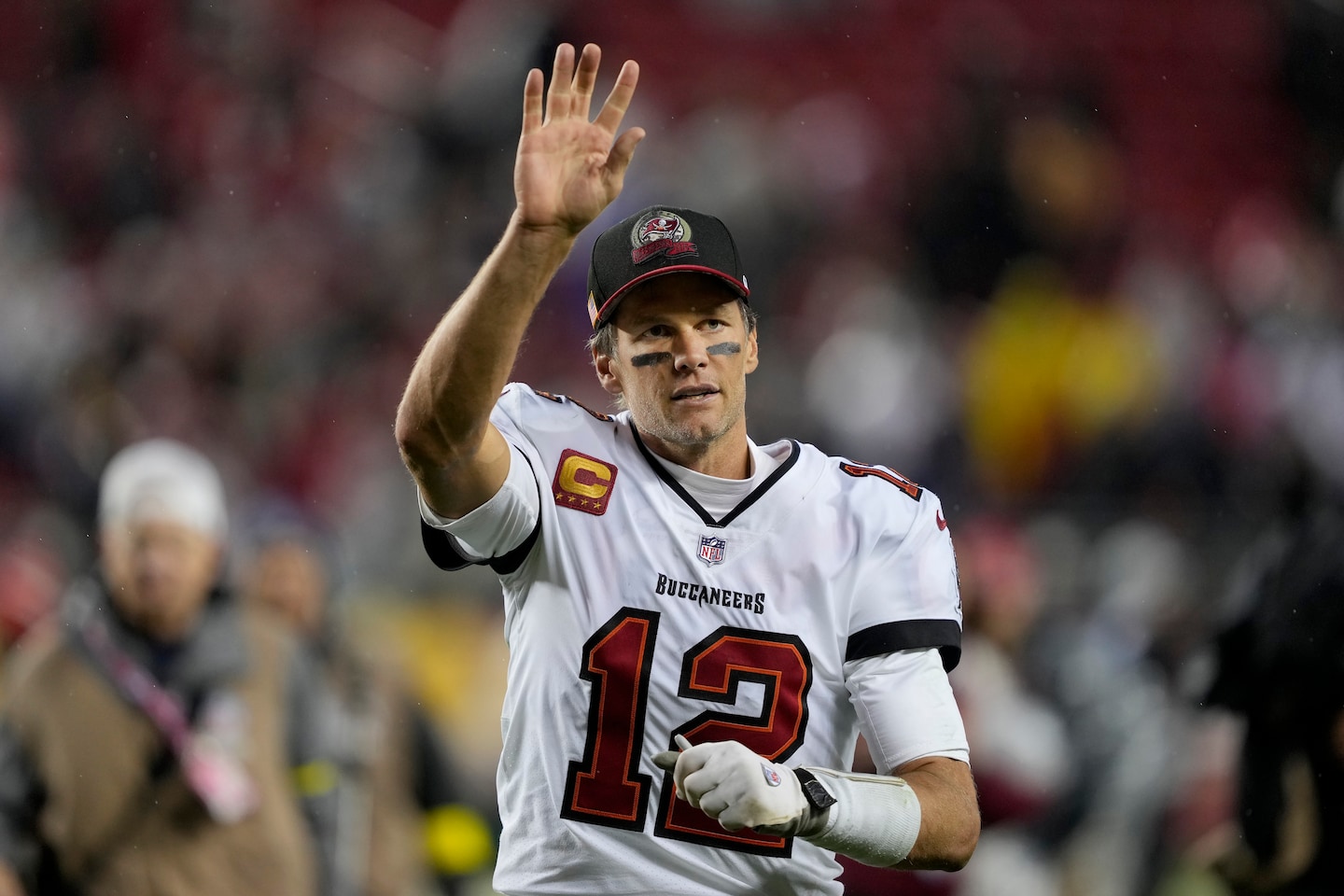
Under the Federal Trade Commission’s guides for endorsements, the test is rightly very protective of consumers: whether they “are likely to believe” the endorsement “reflects the opinions, beliefs, findings, or experiences of a party other than the sponsoring advertiser.” Nor does the endorser necessarily need to be an expert in the field, as surely no one thought Mr. Brady, a football legend, had expertise that extended to esoteric financial transactions.
The article noted precedent under the Illinois Consumer Fraud Act, where I represented retirees bilked of their savings through fake mortgage sales that the Illinois courts called a classic Ponzi scheme; both actors, Lloyd Bridges and George Hamilton, paid to settle claims that their commercials induced reliance on what proved to be anything-but-safe investments.
Whether celebrities are hired to tout cryptocurrency or fake mortgages, our courts shouldn’t allow them to profit through false advertising…
