
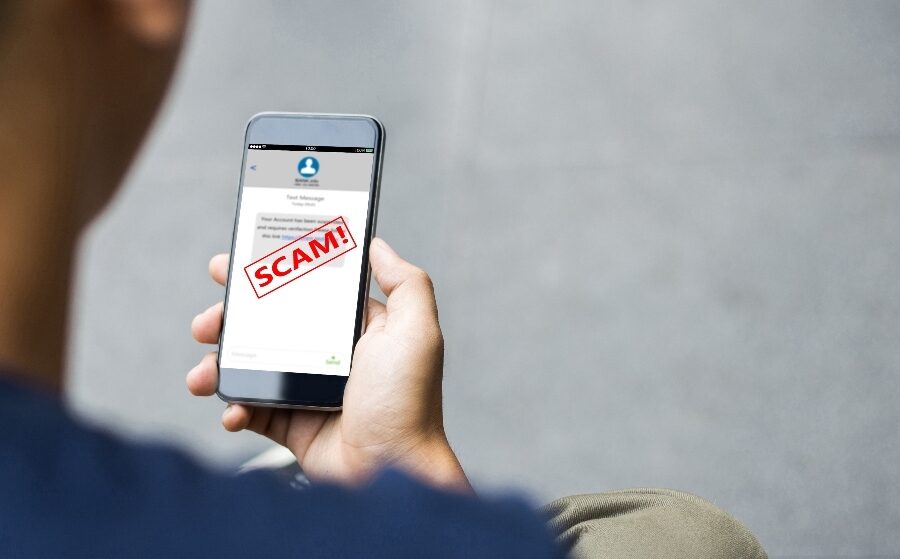
The text message that arrived on the ConsumerAffairs CEO’s phone was short and to the point: “(NETFLIX) To: Zac: The may payment subscription has been declined, account is on hold.” It was followed by a link.
Recognizing it as an old scam, Zac alerted Daniel McConnell, ConsumerAffairs’ head of cybersecurity, who analyzed it and found nothing unusual or special about it. He decided it wasn’t aimed at the company, as a growing number of phishing scams are these days.
“I am not even sure if it was special in terms of trying to get ConsumerAffairs info,” McConnell said. “It may have just been a run-of-the-mill phishing attempt.”
The same message was likely sent out to countless other people, with each one customized to include the target’s name. Unfortunately, those who clicked on the link may have downloaded malware to their device or were tricked into providing credit card or login information that compromised their personal accounts.
If it worked before…
The Netflix account suspension scam is not new. We last reported on it in 2019 when consumers began reacting to emails that warned them they were about to lose access to their favorite streaming shows.
Like swallows returning to Capistrano, scammers can’t resist a scheme that has worked before. That’s according to Kristofor Healey, CEO of Black Bear Security Consultants and a retired special agent at the Department of Homeland Security.
“Think of scammers as fishermen,”…
