
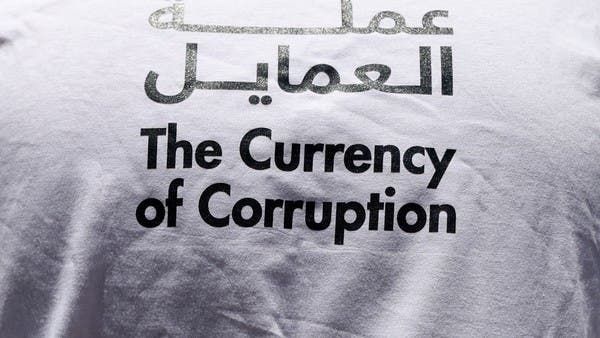
On a freshly printed 100 Lollar note, a painting of the Beirut Port silos exploding is detailed, with “The Currency of Corruption” emblazoned in the corner. At a glance, one might mistake the bill for real, valid currency, but the note is Monopoly money: worthless.
In a new anti-corruption campaign, last week the Lebanese Transparency Association (LTA) sought to remind people that Lollars are not a real currency by printing bills and testing them as legal tender.
Under the hashtag #NotPayingthePrice, the LTA’s campaign involved printed Lollar bills in six denominations from a custom ATM, seeking to highlight the ongoing injustice in Lebanon’s financial sector and protest the normalization of the Lollar.
For all the latest headlines follow our Google News channel online or via the app.
“This crisis is a direct result of abusing depositors’ trust in safekeeping their money stored in US dollars in Lebanese banks and seizing them beyond recovery,” LTA chairman Mosbah Majzoub said. “Based on the LTA’s anti-corruption and promotion of transparency principles, including accountability, advocating for fair governance and respecting the laws stipulated in the Lebanese constitution…this campaign is our direct attempt against the biggest Ponzi scheme in the history of Lebanon.”
A Lollar – a term coined by economist Dan Azzi referring to a ‘Lebanese Dollar’ – is an arbitrary exchange rate used by the Central…
