
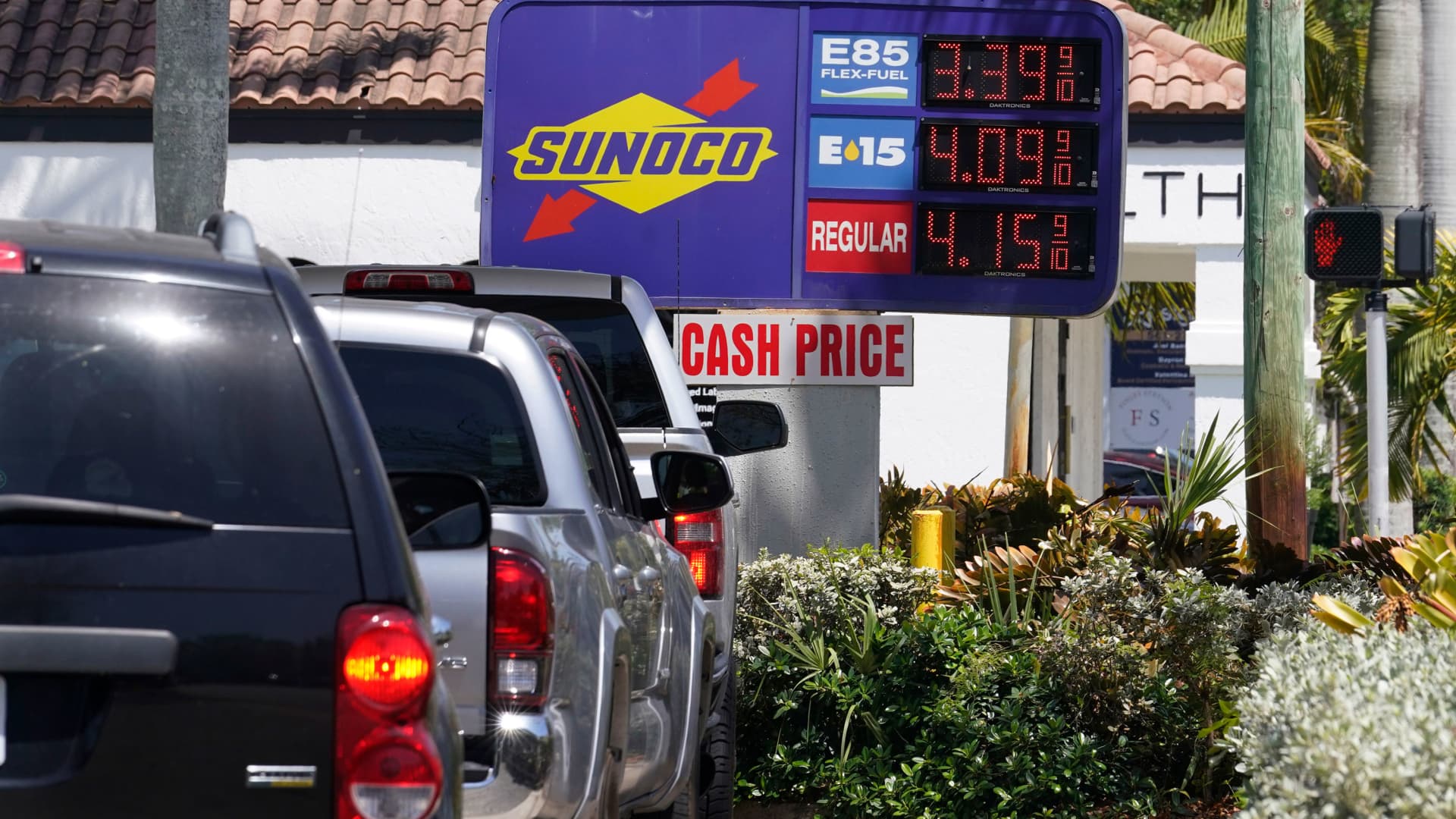
The Inflation Reduction Act signed into law by President Joe Biden in August includes historic investments to combat climate change. It may also open new avenues for fraud by expanding a program that has given federal authorities fits for years.
The Renewable Fuel Standard, passed with broad bipartisan support in 2005, uses a system of incentives to raise the percentage of biofuels like ethanol in the nation’s fuel supply. One study by the Biotechnology Innovation Organization credited the program with reducing U.S. dependence on foreign oil by nearly 2 billion barrels in its first 10 years.
The new law keeps the system in place for now, extends some credits that were set to expire, and adds new benefits for things like ethanol-based aviation fuel. It does not, however, include any new provisions to prevent fraud, which one industry compliance expert said could be a problem.
“In a program where, comparatively, you have little oversight, and there’s a way to generate a massive amount of money fraudulently with almost little effort, it seems like those possibilities (for fraud) will still exist,” said Peter Whitfield, a partner at law firm Sidley Austin in Washington, D.C., in an interview with CNBC’s “American Greed.”
The polygamist and the lion
The Environmental Protection Agency, which regulates the program, says its enforcement division has brought 16 renewable fuel fraud cases in just the last 10 years, levying civil fines as high as $27 million. Many more cases have been…
