
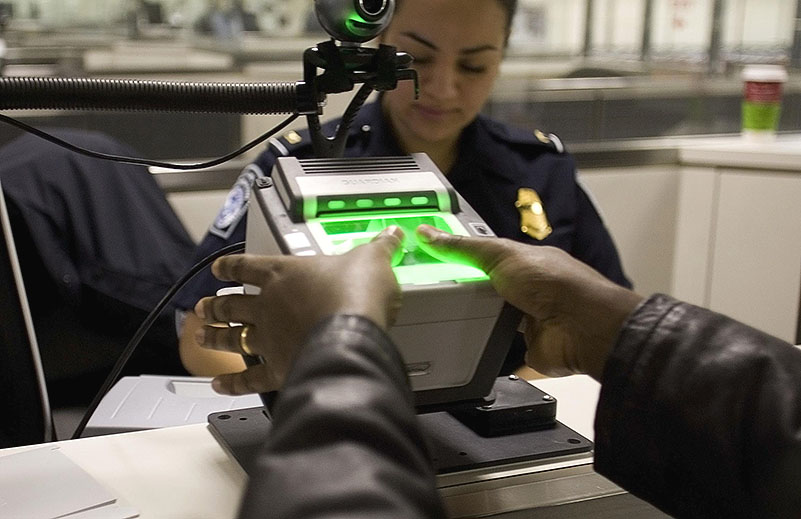
Biometrics in use at Washington Dulles International Airport. — Photo: U.S. DHS/ Public domain
A pattern of fraud is apparent across Zelle (a United States–based digital payments network), according to the New York Times. In response, various banks say there is nothing to be done once customers have authorized the transfer of funds from their account.
In one example of fraud, a customer had a thief steal his phone and abuse his digital wallet, making charges to his credit card, withdrawing cash from an ATM. The affected accounts were held at Bank of America (which refunded all but the Zelle transfers).
One of the responses to this is visible in the actions of consumers of such peer-to-peer payments apps as they look for solutions to end the cycle of theft on these platforms. One of the solutions is to exit from such apps altogether.
According to Krebs, Zelle introduced out-of-band authentication with transaction details in order to combat such fraud tactics. This involves sending the member a text containing the details of a Zelle transfer that is initiated by the member. The safeguard is where the member must authorize the transfer by replying to the text.
Looking into the current issues and vulnerabilities for Digital Journal is Jesse Franklin, SVP of US & Canada Incode.
Franklin explains the situation as: “Popular payment apps like Zelle have become easy fodder for con artists looking to scam consumers out of their hard-earned money, and the recent surge in…
