
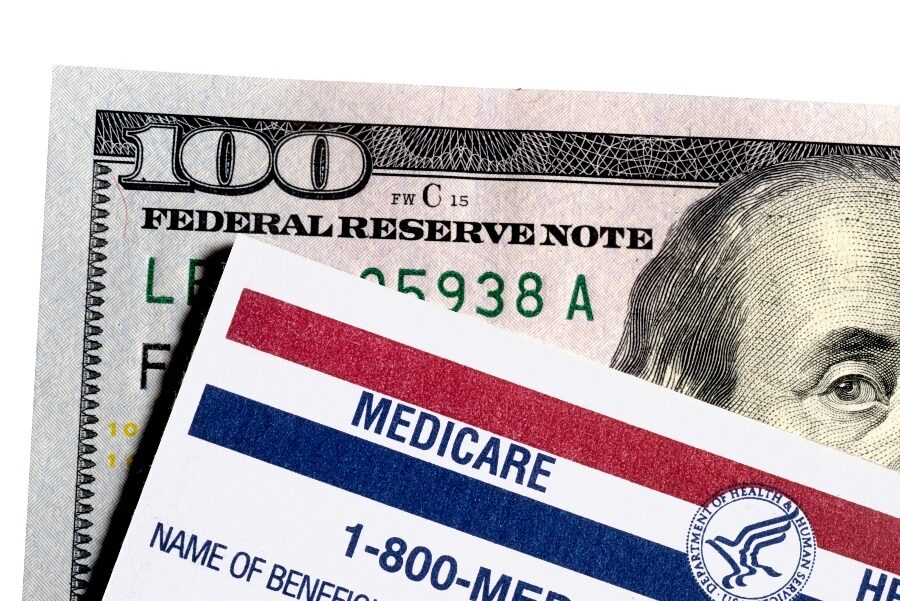
It’s Medicare Fraud Prevention Week, and the Federal Trade Commission (FTC) is taking the opportunity to warn consumers about impersonation scammers.
Last year, the agency recorded a million scam reports and losses of almost $2.3 billion from victims across the U.S. who were taken in by fraudsters pretending to be government agents, grandkids, or sweethearts. Unfortunately, things don’t appear to be getting any better this year. So far for 2022, impersonation scams still rank as the most-reported type of fraud.
Impersonation scammers are more chameleon-like than others. They keep changing their stories to catch their victims off-guard.
“Some scams even ask you for your Medicare number,” the FTC cautions. “If anyone surprises you with a call, email, text, or message on social media and asks for money or personal information — no matter what story they tell — it’s most likely a scam.”
Protecting yourself from impersonation scams
The FTC laid out several things that consumers can do to keep themselves – and their money – safe from impersonation scams:
Reduce unwanted calls and emails. The agency advises the public to use call blocking technology or devices that stop unwanted calls — like scam calls and illegal robocalls — before they reach you. T-Mobile users can download the ScamShield app, Verizon customers can download the Call Filter app, and AT&T customers can download the ActiveArmor app.
The agency said…
