
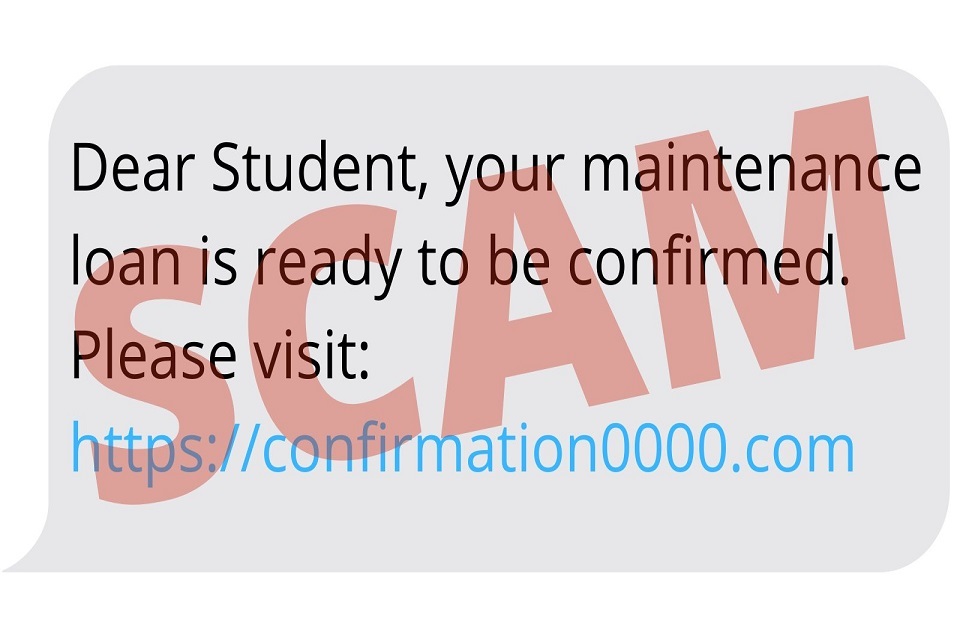
SLC will pay more than £2billion to 2 million students over the coming weeks and is reminding people to be vigilant. As payments make their way to students, the company is warning Freshers and returning students to not be tricked into disclosing personal details or clicking on links in emails or text messages, as they could be installing malware.
In the last three years alone, SLC’s dedicated Customer Compliance teams has stopped £1.2million being lost to fraudsters from students’ bank accounts. The expert teams have a range of methods and fraud analytics to stop scammers in their tracks, but students need to know that they are the best and first line of defence.
Spotting a phishing email or SMS isn’t always easy, but the Student Loans Company has some fraud facts to help:
- Check the quality of the communication – misspelling, poor punctuation and bad grammar are often tell-tale signs of phishing.
- Keep an eye out for any emails, phone calls or SMS messages you think are suspicious, especially around the time you’re expecting a payment.
- Scam emails and text messages are often sent in bulk to many people at the same time and are unlikely to contain both your first and last name. These commonly start – ‘Dear Student’ – so be on guard if you see one like this.
- ‘Failure to respond in 24 hours will result in your account being closed’ – these types of messages are designed to convey a sense of urgency to prompt a quick response.
- Think before you…
