
Earl Levin had big plans for downtown Winnipeg.
The year was 1969, and Levin, the head of the Metropolitan Corporation of Greater Winnipeg’s planning division, laid out a bold vision for the future of the city’s historic core in a document entitled the Downtown Development Plan.
The economy was booming and Winnipeg — flush with cash — hoped to improve its reputation on the national stage by transforming its decaying downtown into one befitting a cosmopolitan city in the second half of the 20th Century.
It was an era of wrecking balls and construction cranes, as cities across North America were engaged in a grand, continent-wide experimentation in new development practices, with unprecedented suburbanization and car-centric transportation routes.
The issues plaguing downtown Winnipeg in those years were many, if not unique.
In 1941, more than 15,000 people called the downtown core home, but by 1966, that number had fallen to 8,706 — a decrease of 44 per cent in just 25 years.
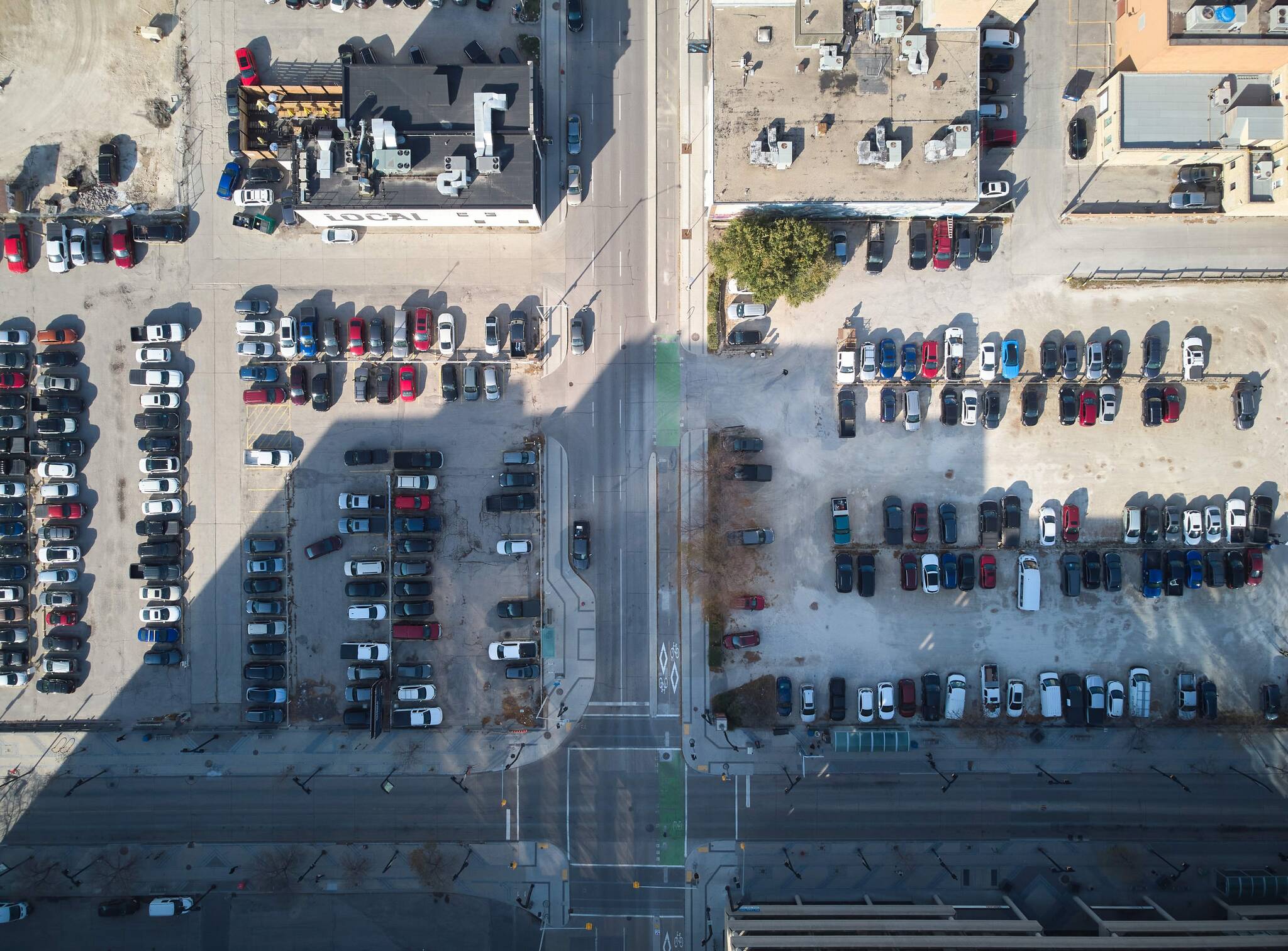
A third of downtown buildings were assessed as being in poor condition; 30 per cent of the area was comprised of surface parking lots; and 20 per cent of the commercial structures sat vacant.
Enter Levin, with his 20-year, $161-million revitalization plan, which would have seen the construction of high-rise residential towers, new public parking facilities and recreation centres, a skywalk system, and wide swaths of open green space.
