
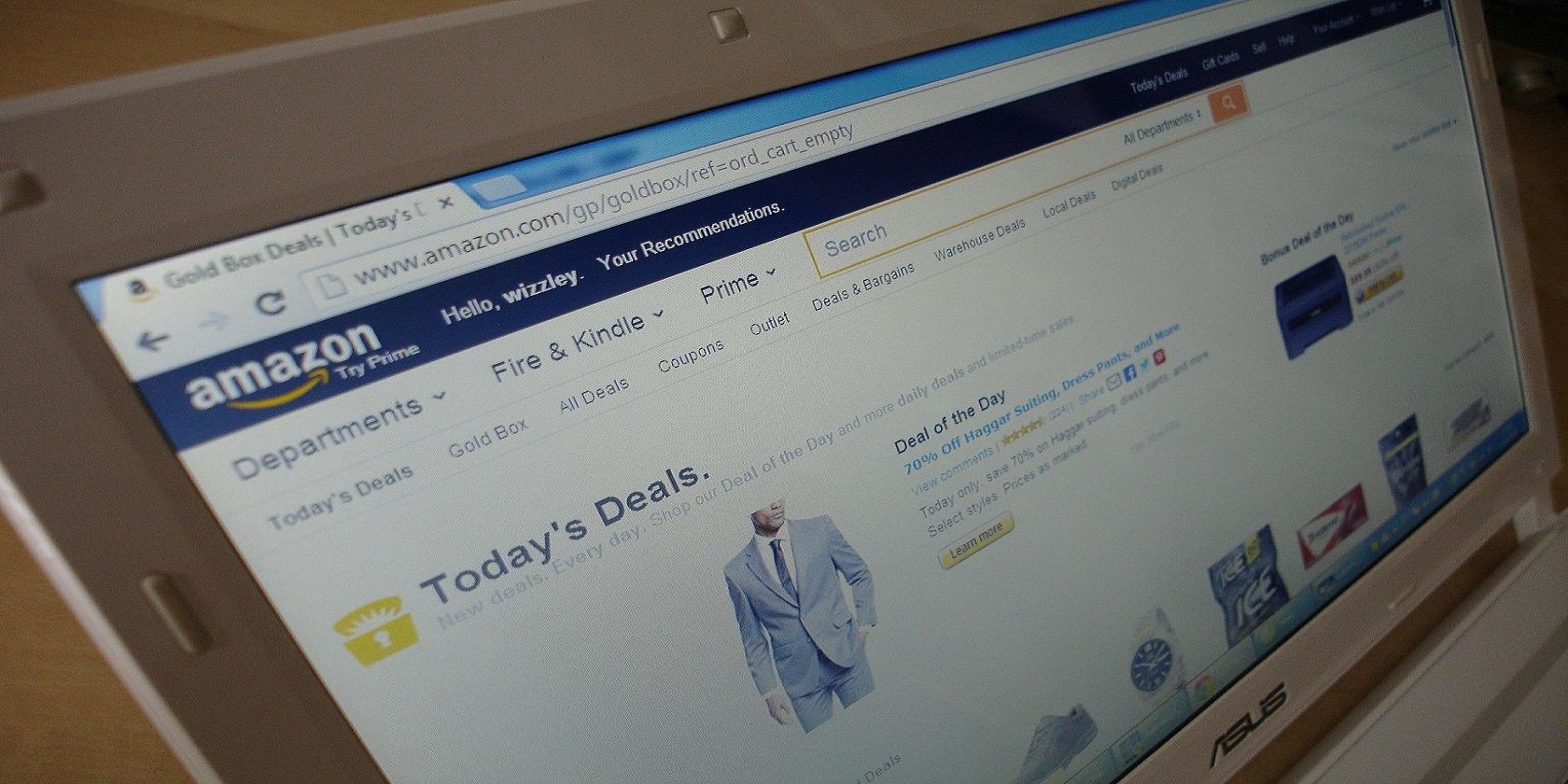
Amazon’s Prime Day is a favorite time of the year for Amazon customers, especially the 153 million customers who have Prime membership. But Amazon customers are not the only ones who look forward to Prime Day. The scale of the event also attracts scammers looking to have a field day conning unsuspecting Amazon shoppers out of sensitive, personal, or payment information.
Common Scams on Amazon Prime Day
Most scams that happen on Prime Day take on one or more of the following forms:
Fake Websites
This type of scam is based on typosquatting. Here, scammers create replicas of the real Amazon website. Everything looks and feels the same, from the user interface to the logo. But there are two catches: one, the website address is different, and you may suspect something is amiss when you log in.
The spelling of the fake website address will look like the real www.amazon.com at a quick glance. But it’s not. A double check will show a missing letter, extra letters, or special characters between the letters of the web address.
Most people land on these websites when they mistype the address name. Most fake websites will display a look-alike user dashboard when users attempt to log in. But, of course, the site will collect the user’s real login details and, later, their card details when they attempt to check out.

Phishing Texts or Emails
Phishing texts and emails are more common than fake websites because it requires less…
