
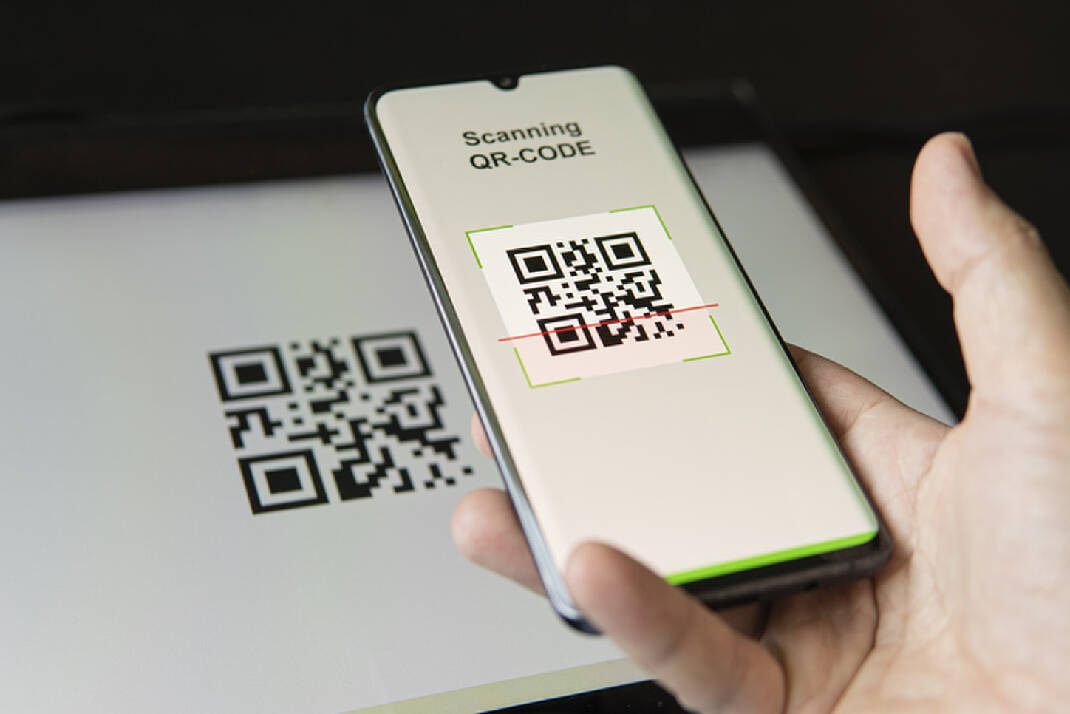
With more and more companies using QR codes to direct current or potential customers to their websites, mobile apps, digital marketplaces, or anything else available on the internet, the codes have become an expected part of a company’s marketing. Unfortunately, while there are many legitimate and helpful uses for QR codes, scammers are also taking note of their growing popularity and using them to carry out various schemes.
Consumer reports to Better Business Bureau (BBB) and warnings issued by police departments in cities across the nation detail how some QR codes are being created to direct users to phishing websites, fraudulent payment portals, and downloads that infect devices with viruses or malware. While the way victims are exposed to QR code fraud varies, a common theme identified in reports is that most come from unsolicited communications or a QR code posted in a publicly accessible location.
Here are some recent ways scammers are using QR codes:
Parking meter payment. Fraudulent QR codes are often placed on the back of parking meters, leading victims to assume that they can pay for parking through the QR code if they do not have change. Con artists can easily create a QR code for free online, which they then print on stickers and either cover up an actual QR code or place where it makes logical sense. After paying for the spot through the QR code, some victims return to find their vehicle has been towed or received a parking ticket for…
