
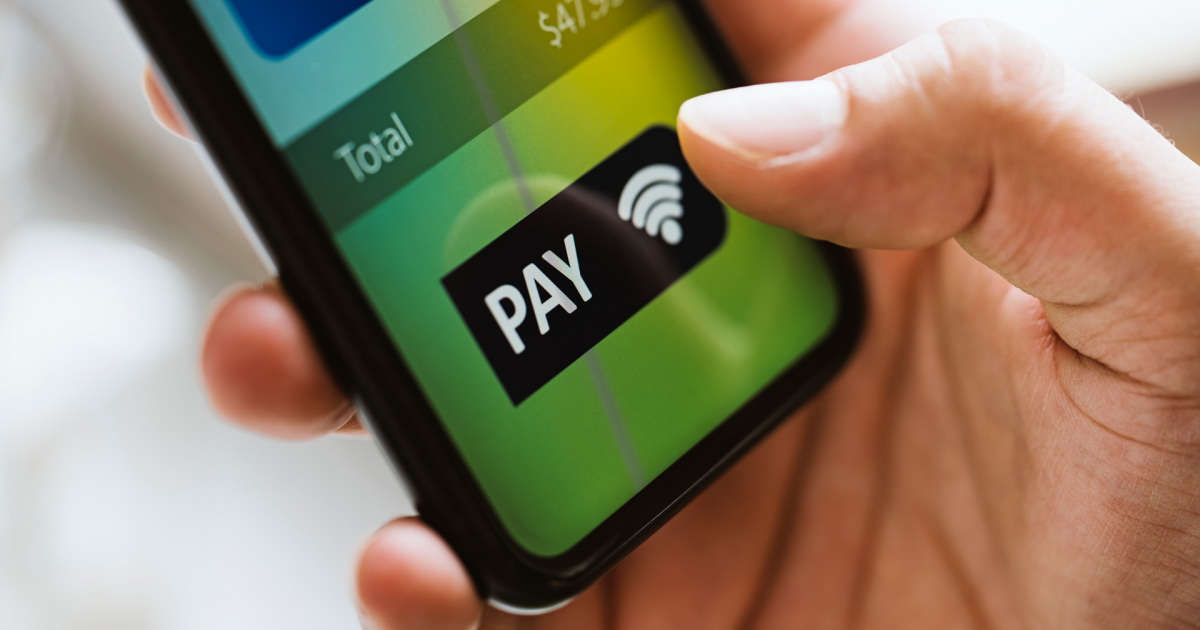
The increasing popularity of payment apps, such as PayPal, Venmo and Zelle, make it simple for people to send money to one another through their phones for various reasons.
For some, it provides a convenient method to split expenses among a group when planning to travel or attend an event. For others, it is a method of payment accepted by small businesses for services or products. While payment apps have been in use for over two decades, the percentage of Americans who have used one has increased by over 25% since 2016. According to Pew Research Center, 76% of Americans have used at least one of the four leading payment apps. However, the technology has also come to the attention of scammers and hackers, with nearly 1-in-10 payment app users either sending money and later realizing it was a scam (13%) or reporting their account has been hacked (11%).
Better Business Bureau’s 2021 Scam Tracker Risk Report found that out of all victims who lost money to a scam in 2021, 32% sent money through an online payment system or app with a median loss of $200. Consumers report a wide range of scams facilitated by payment apps, including fraudulent, canceled or overpaid transactions that ultimately result in the victim losing money or not being paid for a product they sold. Nearly 50,000 fraud reports to the FTC in 2022 indicate that payment apps are a preferred method of scammers, with almost $125 million lost.
While some payment apps have policies designed to protect consumers…
