
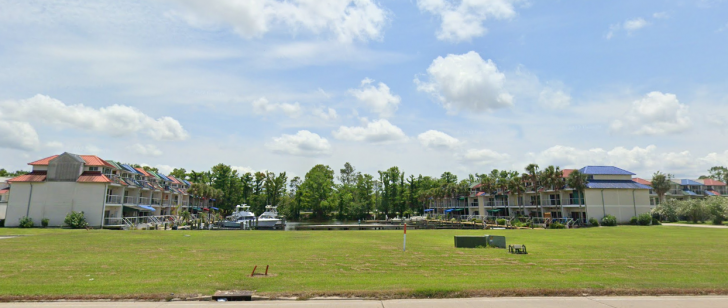
Near the southern edge of Louisiana, where the swampland and wetlands mix and mingle with Gulf of Mexico waters, you’ll find the historic and lively town of Houma.
The Creole and Cajun cultures are strong here, offering visitors a unique and immersive experience.
It’s located in Terrebonne Parish, which was named after the French term for “Good Earth.”
This is due to the abundance of fertile land, seafood, and wildlife in the settlement days when this area was remote and isolated.
Houma (“Home-uh”) is along the Bayou Country Crawfish Trail, offering dozens of locations to try the freshwater crustacean and staple of cuisine here.
Authentic Cajun food is the heartbeat of Bayou Country, and Cajun music lays the soundtrack.
This is a seemingly magical and mysterious land, where legend, folklore, and history blend on a blurred line with stories of werewolves, Voodoo, and stories handed down through as many as 300 years of generations.
Don’t think you’ll miss out on Mardi Gras if you’re in Houma and not New Orleans.
Houma is home to one of the largest celebrations in the state and offers more toned-down entertainment options for those traveling with kids.
You might recognize Houma from the Swamp Thing comic books, as the series was set here, as was the Suicide Squad storyline by DC Comics.
The Skeleton Key and The Butler movies are among the movies shot in this region.
Houma was hit hard by Hurricane Ida in the fall of 2021.
As of late 2022, another movie reference was made by the Director of the South Louisiana Wetlands Discovery Center, “It feels like you’re on the set of a movie, and the zombies are coming out.
It’s really disheartening.
It looks apocalyptic out there,” said Johnathan Foret.
It might take another few years for the city to recover, with supply chain issues and inflation hurting all American cities, but more in a hurricane-ravaged area such as this.
Be understanding if you visit during the rebuilding.
Warnings & Dangers in Houma
OVERALL RISK : MEDIUM
There’s a medium risk here with high crime rates and a city that is either recovering from a massive storm or preparing for the next one. Global warming is also eroding the shoreline south of Houma. While there’s a lot of culture and history to see here, visitors should use caution and compassion. Your support of local businesses will be appreciated, and the sooner the city can rebuild and revitalize, the more funds will be available to enhance safety.

TRANSPORT & TAXIS RISK : LOW
Good Earth Transit is the public bus system in Houma, but you won’t be able to get to and from New Orleans using that or any other public system. The system also isn’t running on weekends. You’ll really need a rental car to be this deep into the state, or you’ll spend a lot of money on taxis and rideshares.

PICKPOCKETS RISK : LOW
This is a low-risk area on an average day, but use extra caution and safety steps during Mardi Gras or other major events. There were no reports of pickpockets in 2021.

NATURAL DISASTERS RISK : LOW
This is the biggest risk for a tourist, and you should understand the dynamics of bayous and wetlands on top of severe weather and hurricane risks before you arrive. Flooding can be intense, and tornadoes can cause damage on top of that.

MUGGING RISK : LOW
The robbery rate was lower than the national average in 2021, which suggests low risk. A series of robberies in 2022 might make you think differently. One involved a man being robbed by a 13-year-old and his mom, while another was a man beaten with a baseball bat so robbers could get his wallet and phone. Robberies like these can happy anywhere, but it’s also wise to be on alert, especially in an area that has struggled since the hurricane hit in 2021. Desperate people do desperate things.

TERRORISM RISK : LOW
This would be a low risk as it’s a rural area with a small population. New Orleans would be the nearest hard target, but there’s a wealth of law enforcement and Homeland Security protection there due to the elevated risk.

SCAMS RISK : LOW
Residents of Houma have been victims of scams in the aftermath of Hurricane Ida, but there’s not a large risk of a tourist getting scammed. You should realize the people here have unique accents and cultural traditions, so something like a Faith Healer is part of the culture and not a scam.

WOMEN TRAVELERS RISK : LOW
Women have the same risk as men; statistically, they actually have a lower risk. All the same safety precautions apply here as if you were on Bourbon Street in New Orleans. Don’t take a drink from a stranger, don’t walk around at night alone, and call for help at any sign of any suspicious activity.

TAP WATER RISK : LOW
The 2022 Water Quality Report shows one violation due to a sampling error, but no risk to public health happened. The rest of the tests performed showed full compliance. It’s important you check with city and tourism sites during your visit as flooding can greatly impact water quality or lead to boil orders. It’s smart to keep a case of bottled water with you when visiting here.
Safest Places to Visit in Houma
Explorehouma.com is the official tourism website for the city and Bayou Country.
Keep in mind the website is meant to draw people to the region even as the city and parish are being rebuilt – literally from the ground up in some places.
I wanted to share a quote that was posted on the website in the fall of 2022, one year after Hurricane Ida,
“It took one year of blood, sweat, tears, and a momentous commitment to making our home recognizable again to get to where we are today.
Although there is still work to be done, we are Houma proud through and through and are excited about the strides we’ve made thus far in restoring our community.”
You can follow the “news” section of the website to get updates on business openings and festivals, the latter of which are back in full swing as of 2022.
You should also look at the “Ecu-Cajun” sections of the website to learn about the local lingo.
For example, you’ll find out that if someone bellows “Allons!” that means “Let’s go!”
Instead of going by individual attractions, I thought a summary of things to do here might be more helpful.
For example, there are half a dozen swamp tour options, but just mentioning one vendor would be biased.
I’ll mention specific names as needed for clarification.
Swamp and marsh tours are available throughout the area.
Some tours are held on larger boats seating up to 50 people, while others offer more intimate airboat rides.
The smaller boats can get into more remote and unchartered areas.
Larger boats might be more comfortable and safer for those who are nervous.
You can also go on tours of alligator farms or take a tour of a shrimping business from the net to the processing plant.
Air tours are also available to see Bayou Country from above.
You’ll also get to see oil rigs in the Gulf and Indian mounds.
Mandalay National Wildlife Refuge does offer a one-mile walking trail if you want to see the swamp on foot, but you’ll need a boat to explore any more than that.
Sugarcane plantations dominated the landscape for many years, and several are open for tours with guides in period costumes adding to the authenticity of the experience.
NOTE: Most plantations listed on the tourism site were closed due to Hurricane Ida damage, but you should check before your trip to see if any have re-opened. Volumnia Farms is one location that has been family-owned and operated since 1828 that was able to open faster after the storm.
The Regional Military Museum offers a glimpse into Southern Louisiana’s war history and includes stories from soldiers who donated artifacts.
When you take this tour, you’ll be surprised by how influential a small Louisiana swamp town was during World War II.
The Bayou Terrebonne Waterlife Museum is a place to hear the stories and history of this special part of the state.
You can tour the displays or participate in one of the many interactive panel discussions and question/answer sessions.
On Tuesdays, you can listen to live Cajun music in the afternoon.
Places to Avoid in Houma
The best advice we can give is to stay out of the local neighborhoods and stick to the main roads and attractions while you’re there.
Some neighborhoods have been condemned, while others live in trailers during rebuilding.
Do not treat a natural disaster site as a tourist attraction.
Normally in an evergreen article like this, we don’t mention time-sensitive information like Hurricane damage.
However, this storm caused damage that will take years, if not decades, to rebuild.
The city sustained winds of 120 miles per hour for four hours, leaving every single building damaged in the entire city.
At least 10% of the buildings were damaged beyond repair.
The best thing you can do in Houma is visit local establishments and support local events.
Don’t avoid the area because of the storm damage; it simply shows the resiliency of a city that once thrived when it was cut off from the rest of the state in its early years.
Safety Tips for Traveling to Houma
- No matter what a website says about a hotel or attraction, call the location to see if they are open and back to business as usual. Many websites are updated with new information, but some closed businesses still have “Open For Business” on the website. It makes sense that fixing a website isn’t a priority for a vendor who lost their livelihood.
- The Houma Police Department website is houmapd.com, but the website isn’t working as of this publication. If you run into the same problem, visit the Facebook page @houma.detectives.500. That page is updated often with new safety information and crime updates.
- You’ll want to download the Terrebonne OHSEP app, which gets you the emergency management app for the region. You’ll have contact information, links to weather updates, and social media sites to cover most questions you’ll have.
- Anglers need a saltwater/freshwater fishing license combo from the Louisiana…
