
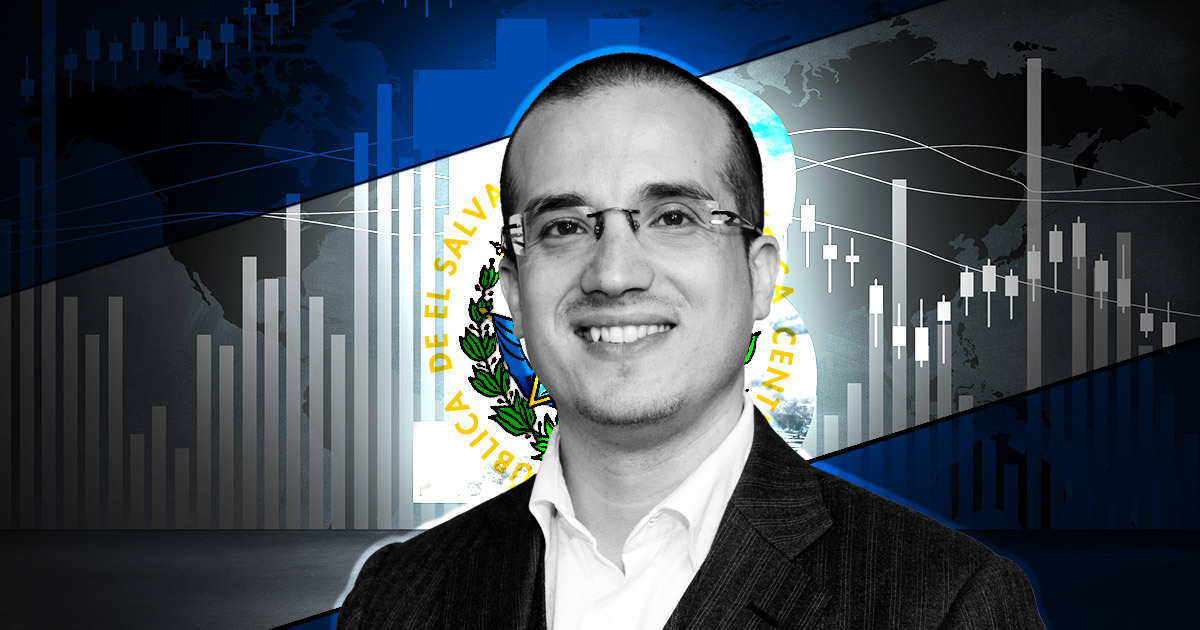
Prominent investor Simon Dixon recently described El Salvador’s Bitcoin policy as “very responsible” and said it could be the first domino to fall in bringing down the International Monetary Fund’s (IMF) “fiat-based Ponzi scheme” debt mechanism if it succeeds.
Dixon summarized the world’s financial history to highlight that every financial crisis has led to countries falling into debt, which turned all their economies into over-leveraged systems.
On the other hand, Bitcoin behaves as independent equity that can provide great returns. On a macro scale, investing in Bitcoin can provide a way out of the IMF’s leveraged debt cycle for countries.
Dixon said:
“Betting a percentage of a country’s future, I believe, is a completely responsible, not irresponsible strategy, and the IMF wants countries to follow irresponsible strategies of fiat-based Ponzi scheme debts.”
He continued to say that if El Salvador can successfully play out its Bitcoin investment plan, it can pull itself out of the alleged Ponzi scheme.
Bitcoin as equity
Dixon described investing in Bitcoin as a deleveraging movement away from debt to equity. He said:
“[By] equity, I mean, I was deep in dept trying to create a bank, and then Bitcoin treated me well. I became wealthy because of Bitcoin.”
According to Dixon, investing in Bitcoin is followed by an increase in wealth due to the inevitable rise in Bitcoin’s value. The increased wealth leads to spending more, which ultimately supports the…
