
The U.S. reached its debt ceiling of $31.4 trillion today, Jan. 19, Treasury Secretary Janet L. Yellen said in a letter to Congress, which is responsible for lifting or suspending the borrowing cap with a simple majority in both the House and the Senate.
Elected officials must decide whether the U.S. can borrow more money to pay its bills or fail to meet its financial obligations and possibly default on its debt.
The U.S. borrows huge sums of money by selling Treasury bonds to investors around the world and uses those funds to meet financial obligations such as paying military salaries, Social Security and Medicare benefits, and interest on the national debt. Once the U.S. hits the cap, the Treasury resorts to “extraordinary measures” — suspending some investments and exchanging different types of debt — to try to stay beneath the cap. Eventually, the U.S. must either borrow more money to pay its bills or abandon its financial obligations.
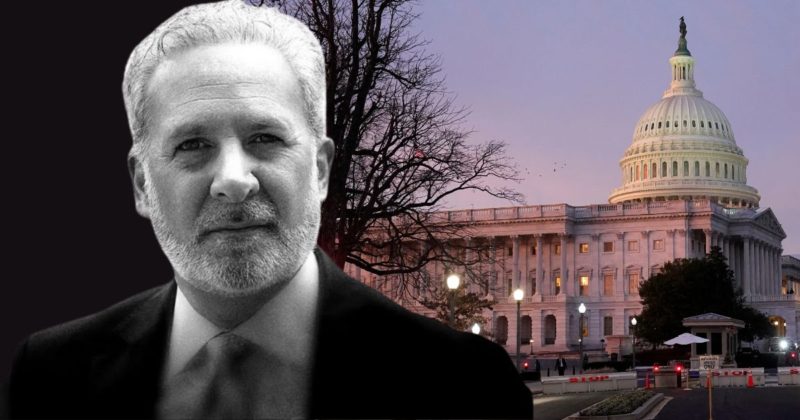
By raising the debt ceiling, the U.S. government will be essentially admitting it is running a Ponzi scheme, according to economist Peter Schiff, a known opponent of debt-fueled growth policies who predicted the 2008 financial crisis.
“The U.S. Treas. Sec. has admitted the only way to avoid a default on the National Debt is to raise the #DebtCeiling so the Govt. can borrow from new lenders to repay existing lenders,” Schiff tweeted on Jan. 16. “This amounts to an official admission that the U.S….
