
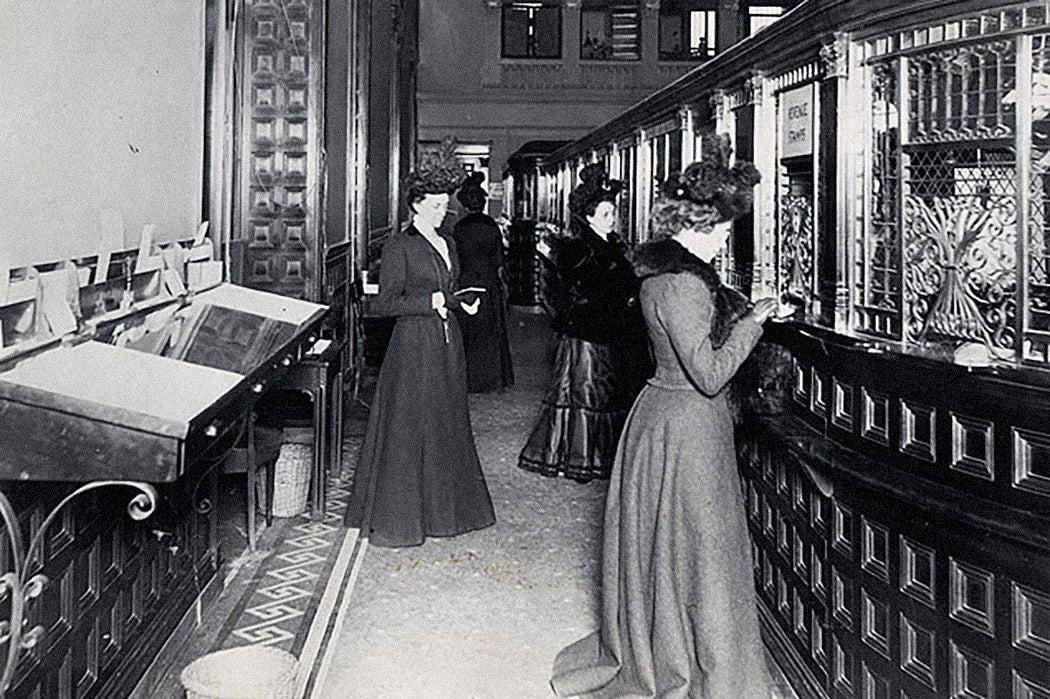
On August 26, 1920, the United States officially adopted the 19th Amendment to its Constitution, granting women nationwide the right to vote for the first time. Though incomplete—in practice, it mostly enfranchised white women nationwide and many Black women in the North and the West—it was the single largest expansion of voting rights in the nation’s history. But even this recognition of the rights of basic citizenship failed to ensure equality. One of the biggest hurdles women of that era faced wasn’t civic at all. It was economic.
To be truly equal in an ever more capitalist United States, you needed control over your money. You needed access to a bank.
For most of modern history, both in the US and the rest of the world, women had only a small fraction of the financial independence enjoyed by men. Even the richest women were, legally speaking, often not wealthy themselves. They were instead the wives and daughters of rich husbands and fathers, and that meant strict dependence on the men in their lives and an ever-present danger that all they had could be taken away.
There were, of course, rare outliers—women with access to financial services, even before such access was guaranteed by law. Noblewomen like the Countess of Castlemaine appear in the earliest surviving bank record in Britain dating to the seventeenth century. But these are exceptions; for the most part, lacking in legal protections, most women were locked out of the financial…
