
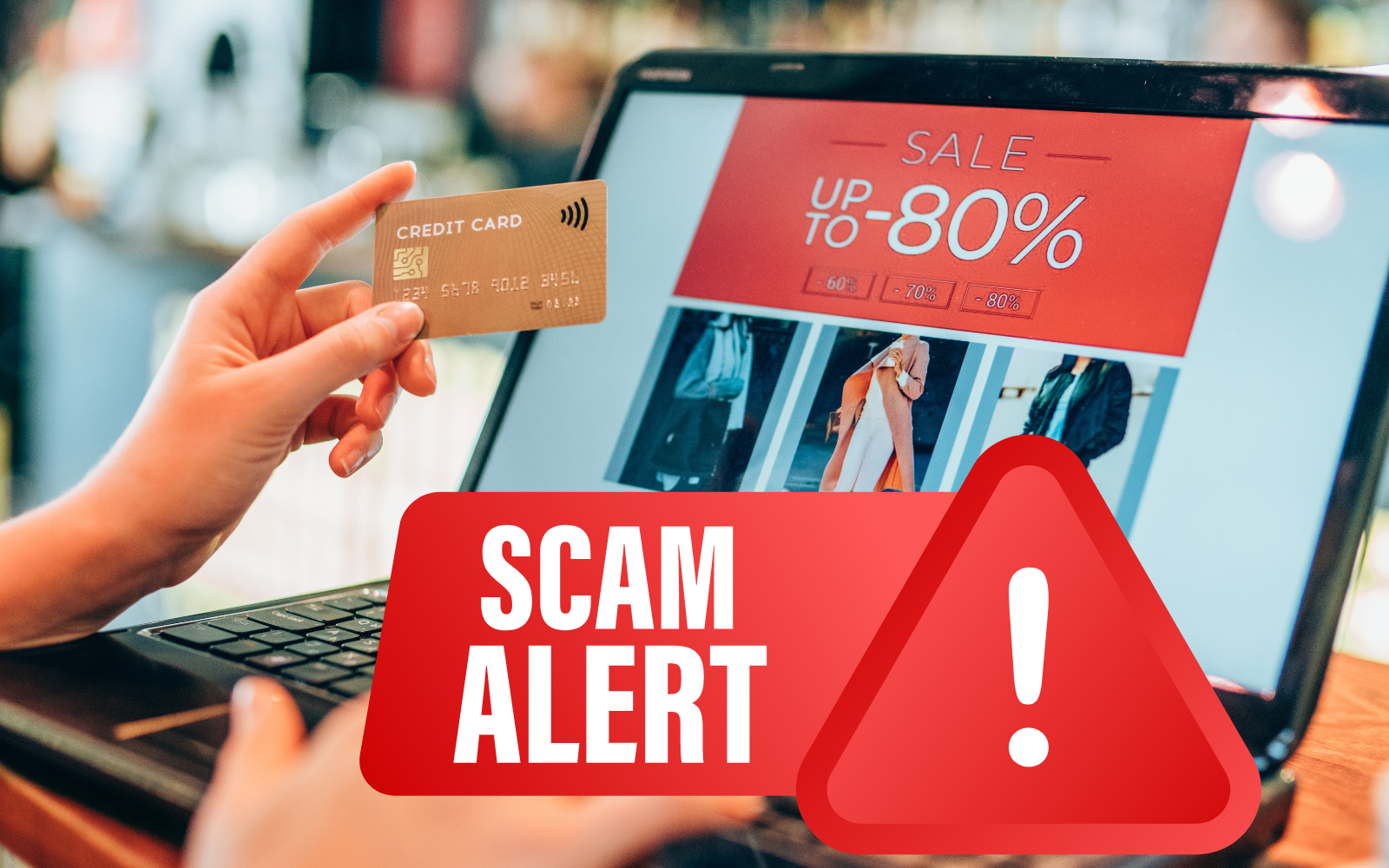
Online shopping scams aren’t going away any time soon. In fact, they keep evolving to keep pace with the evolution of technology and security features for online platforms.
Though security features for online shopping platforms continue to improve, some common scams continue to be successful for scammers. Avoiding these requires shoppers to play a role in securing their own money and data when shopping online.
We know it’s cliche, but it’s a cliche for good reason — if it’s too good to be true, it probably is.
Check the link
“Just like that guy who broke your auntie’s heart in ’07, these scammers usually appear to be the real deal, rip you off, then disappear in a flash,” says Lianne Williams from Vuma, South Africa’s fibre connectivity provider.
Make sure the URL of the website you’re buying from is a secure E-commerce platform.
Read More: Crypto scams will increase over the holidays – here’s what you need to know to not fall victim
A website’s URL needs to have a Hypertext transfer protocol secure (https) at the beginning, especially the ‘s’ in ‘https’ which lets you know that the data transferred between your device’s web browser and the seller is secured. If the website you’re shopping on only has Hypertext Transfer Protocol (http) or any other protocol, it is probably not safe for you to drop your personal and banking details into it.
Some links may be credible, but include unprotected links within the secure link. When…
