
When Russian tanks rolled across the border into Ukraine on February 23, much of the world seemed to believe the conflict would be over quickly—that the brave Ukrainians would be crushed by the Russian war machine, one of the world’s largest and most expensive militaries.
Whether Russian President Vladimir Putin shared that opinion is unclear, but there’s no doubt that the invasion was a display of his own overconfidence: in his military, in the expected acquiescence of Ukraine, and in the world’s willingness to let a dictator redraw the boundaries of a well-established, independent European country. It hasn’t gone as planned. Instead of a quick victory, the war has turned into a churning, bloody stalemate. The U.S. estimates that Putin has lost 100,000 of his own troops while conquering relatively little new territory (to say nothing of the massive humanitarian disaster the war has unleashed).
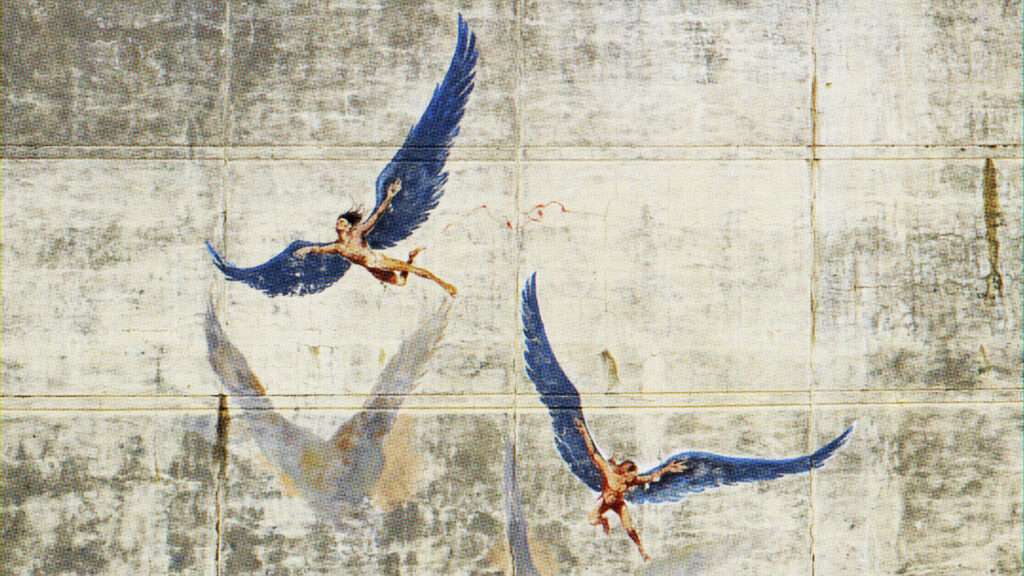
Hubris—the arrogant pride that goeth before the fall—has been a fundamental part of the human experience since long before the ancient Greeks wove it into stories as the metaphorical Achilles heel that toppled heroes and villains alike. It’s always been with us, but hubris had a real moment in 2022. Politicians insisted that government action was necessary to rein in social media platforms, but the market has largely done that on its own. This year also saw the spectacular collapse of Sam Bankman-Fried’s crypto-trading-platform-turned-Ponzi-scheme, and with it the…
