

(Statepoint) Scams and fraud are more deceiving these days, reaching you in more ways than ever before. The FTC reported 2.8 million fraud reports from consumers in 2021 alone, with reported fraud losses increasing 70% from 2020 and more than $5.8 million.
Scammers begin their traditional uptick at the start of the holiday season, and identity theft protection expert Carrie Kerskie says being aware of what new cyber and phone fraud trends to look out for is your biggest defense against unwanted fraud.
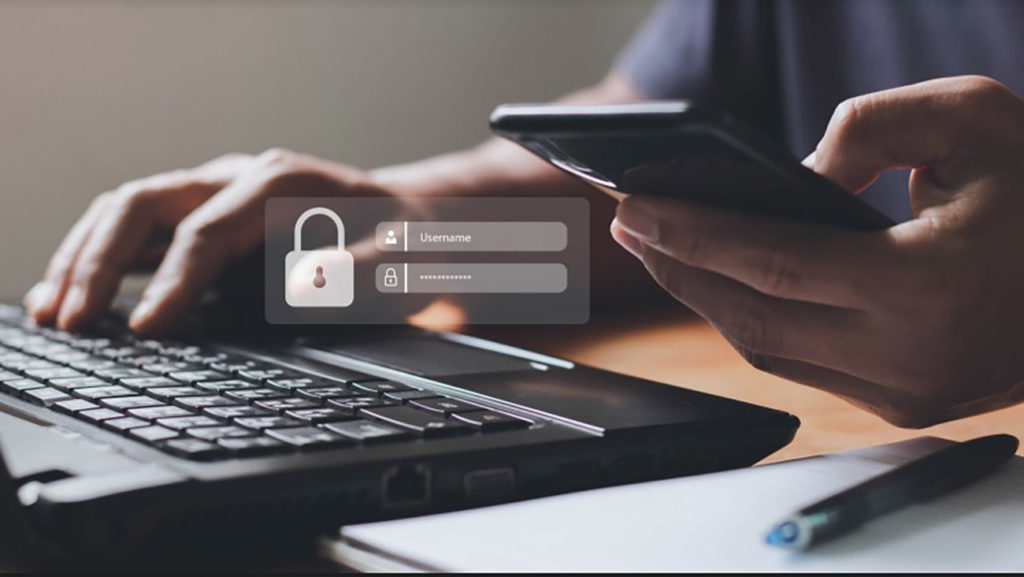
This holiday season, prioritize privacy by having strong passwords and multi-factor authentication, use available resources like caller ID and free monitoring software from your cell phone company, and validate or eliminate–if you cannot confirm the information, throw it away and block the phone number or email address. | tsingha25 / iStock via Getty Images
“The more that we can get this information out there the better,” Kerskie recently told T-Mobile Stories, “Unfortunately when it comes to technology, privacy and identity theft, the same old advice that was given 10, 15 years ago is still the gospel of what you’re supposed to do. And that is outdated. None of it works. It’s not true, it’s not relevant anymore.”
Scammers have expanded from targeting consumers with only traditional email and phone calls. The most recent trending scams are occurring using person-to-person payment platforms or P2P, remote access software and even public…
