
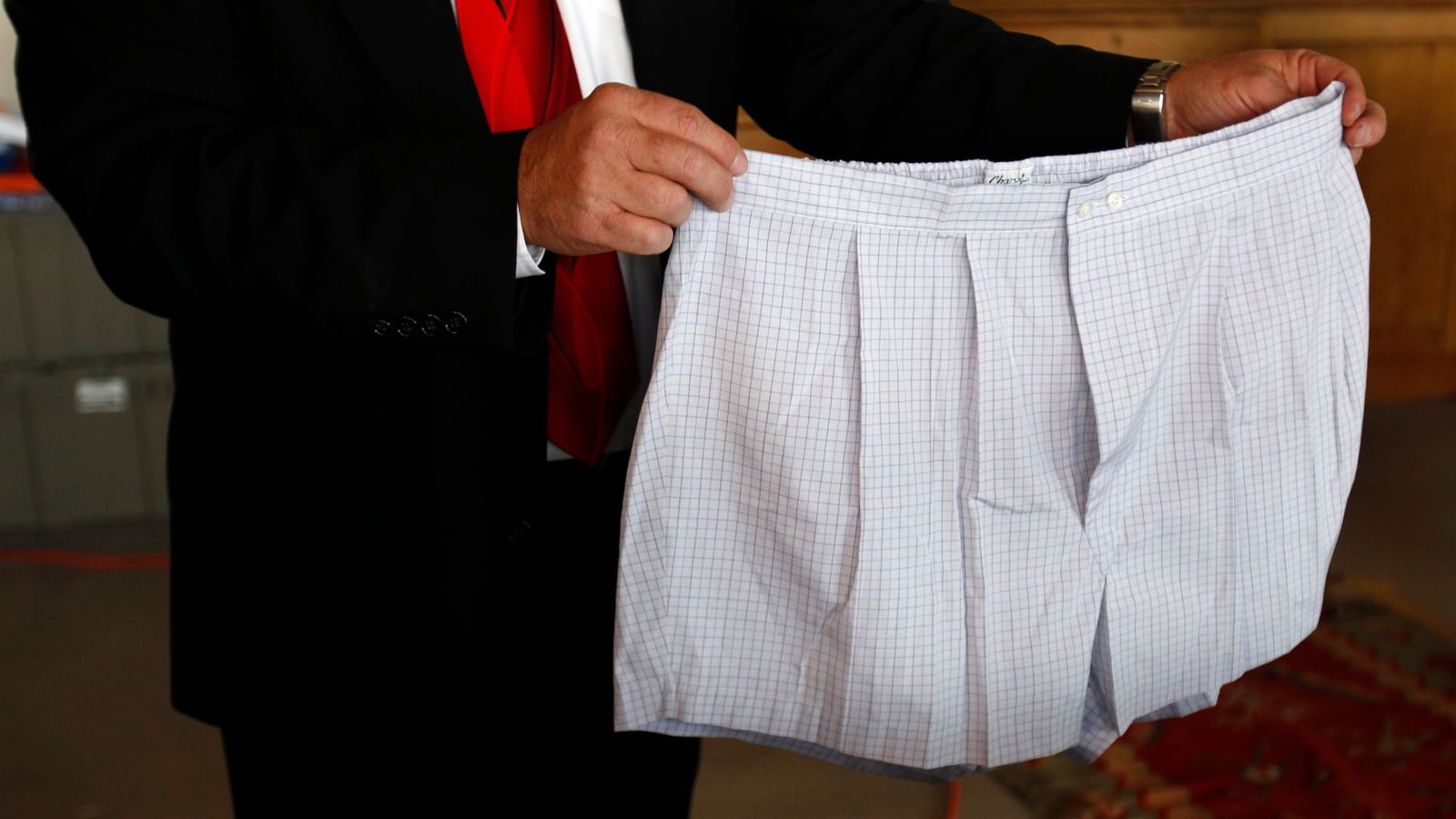
As Jenny Crane walked into the kitchen of the stately, $8 million New York penthouse, a small blue sticky note caught her eye.
It was a message from Ruth Madoff, Bernie’s wife.
“I definitely want to keep my Nespresso,” it said.
Bernard Madoff masterminded the biggest investment fraud in US history, netting himself millions of dollars, and yet here was his wife, begging for a coffee machine.
Woven over four decades, the financier’s sophisticated web ensnared up to 40,000 people in 136 countries – celebrities, sports stars, movie directors, a Holocaust survivor, a Nobel Peace Prize winner and thousands upon thousands of everyday folk whose lives were blighted when they lost pensions, college funds, savings, money for medical bills; in short, their nest eggs.
Madoff, who died last year, was jailed for 150 years and while that brought some sense of justice to his victims, it didn’t help them with their catastrophic financial losses.
Step in Jenny and the Department of Justice Asset Forfeiture Management Staff taskforce.
A US federal government team and part of the Marshals Service, it was set up to recover assets used as part of a crime or bought with the proceeds of crime, sell them, and then give back the money made, to victims.
Before 1984, if you went to jail for racketeering money or laundering or plain old stealing, you got…
