
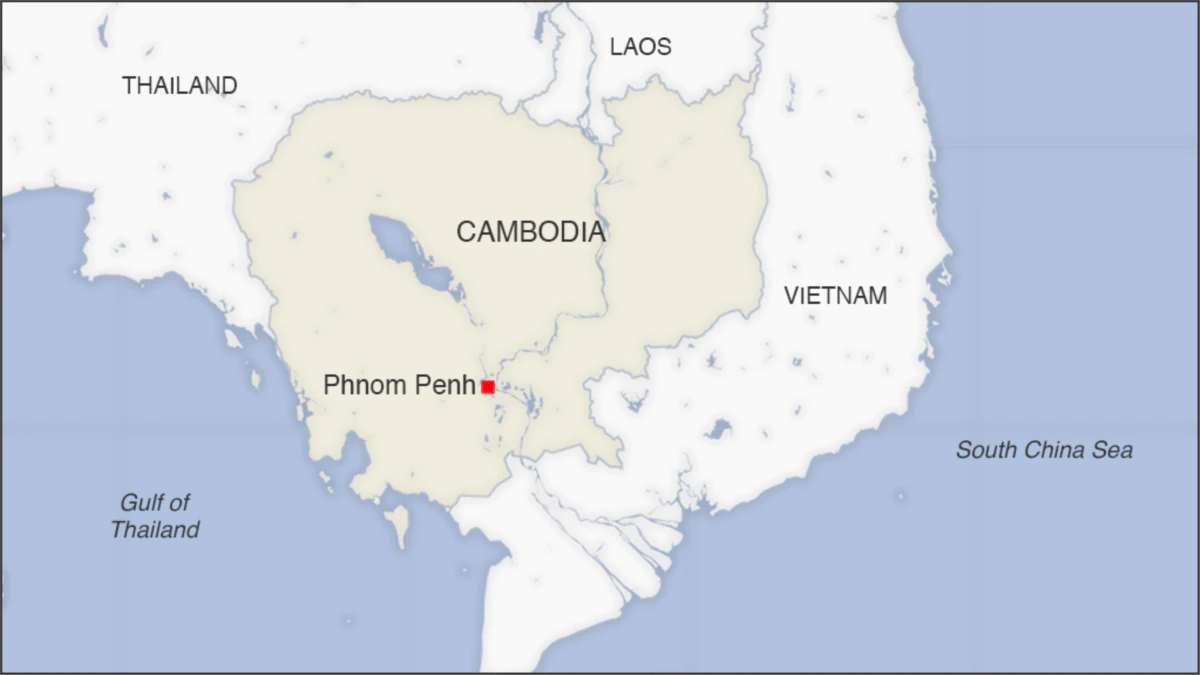
Cambodia has long had a problem with its own citizens being trafficked into nearby countries such as Thailand and Indonesia, where they work in slave-like conditions. But stamping out foreign-run trafficking rings within its borders is a new phenomenon, and Phnom Penh’s ability to disrupt the criminal networks could have wide-reaching consequences for its regional standing, experts told VOA Khmer.
Jason Tower, the Burma country director for the United States Institute of Peace, said Chinese criminal networks have expanded their footprints in relatively lawless pockets of Southeast Asia in recent years, including in Cambodia.
A crackdown on online gambling in China pushed many actors out of China and into relatively unregulated areas of Southeast Asia, he said, and then COVID-19 suddenly halted the flow of labor, tourists and gamblers from China, forcing what were effectively organized crime rings to seek other sources of income.
In Cambodia, Prime Minister Hun Sen’s government announced its own ban on online gambling operations in 2019, forcing some Chinese investors in the sector to come up with alternate business plans.
Chinese embassies across the region began reporting an uptick in kidnappings of Chinese nationals early in the pandemic, Tower said, soon followed by reports of trafficking, abuse and enslavement of victims from countries across the region.
“As the pandemic went along, more and more evidence that this is really a…
