
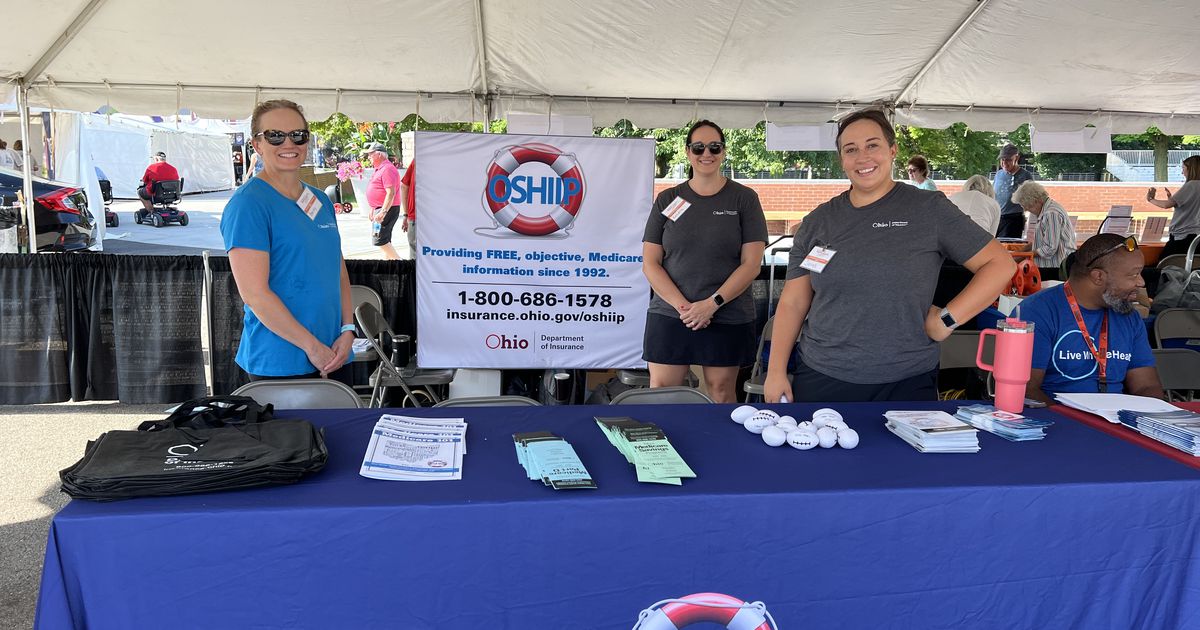
Although individuals should watch for fraud, Reeg also cautions people to beware of deeds that are lawful but perhaps not in their best interest.
“There’s a lot of activity that is legal that can lead Medicare beneficiaries down a very bad path,” Reeg said.
Television advertisements may look official, and they may even appear to prompt viewers to call what appears to be a government agency, Reeg warned. However, many of the commercials are for lead agencies that attempt to get viewers to call them first and then pass their information to agents and brokers who are often in other states.
“Once you make that phone call, you have made that first contact and you’re basically signing yourself up for robocalls for the rest of your life,” she said.
Keep material like Social Security numbers, credit card numbers and banking information private. Beneficiaries also received a personal 11-digit Medicare number within the last few years that should stay private.
“Those numbers really haven’t made it into the hands of scammers yet, so let’s keep it that way,” Reeg said.
Scammers may even identify themselves as representatives of Medicare or Social Security. But unless a beneficiary has already initiated a claim, they shouldn’t be calling, Reeg said.
“The minute you hear that, you don’t even enter into a conversation. You hang up,” said Connie Blum, OSHIIP’s Montgomery County…
