
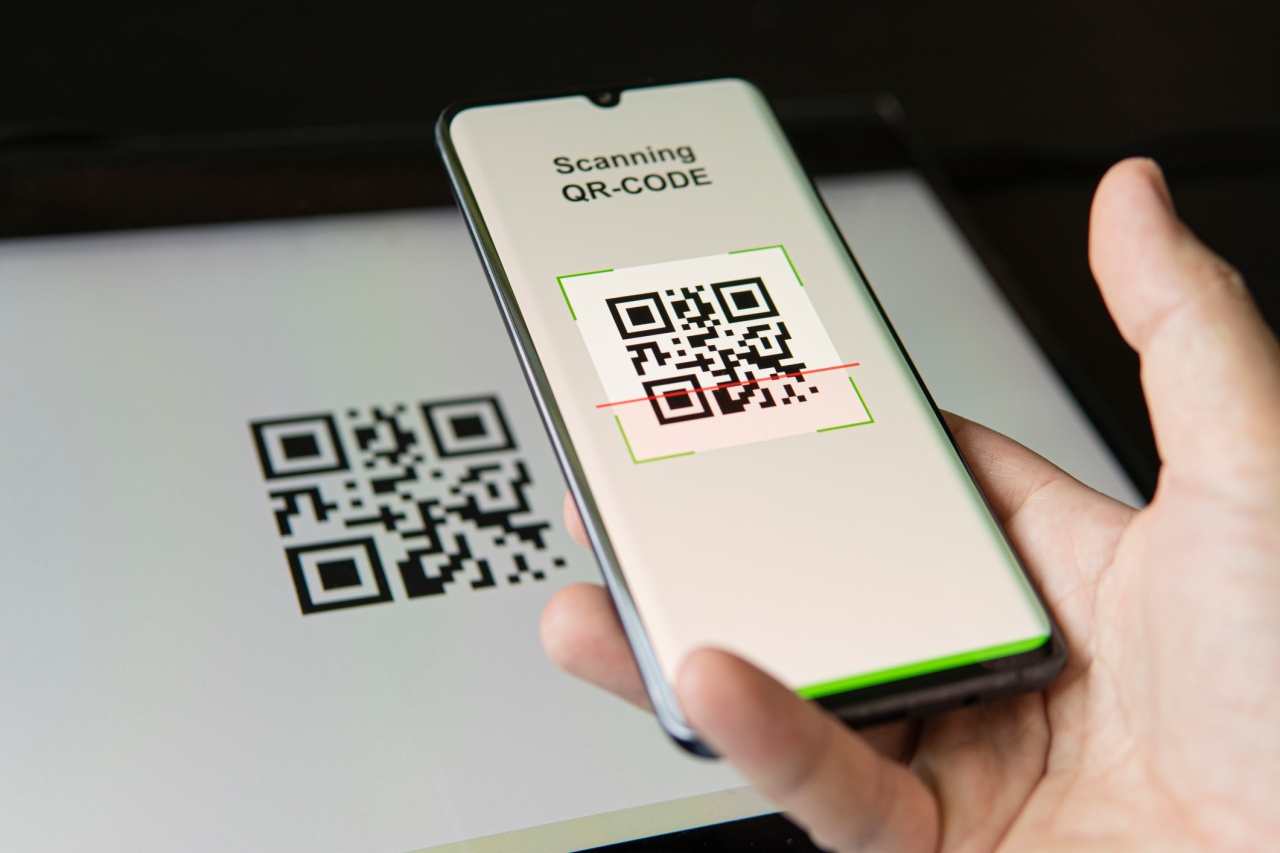
The use and consumer familiarity with QR codes present an opportunity for businesses to direct current or potential customers to their websites, mobile apps, digital marketplaces, or anything else available on the internet. Restaurants often use them to allow their diners to access a digital menu, preventing the spread of contagions and saving the business money. Business cards can include a QR code that will direct to an online portfolio, complete with videos and more in-depth information about the services offered than what a standard business card can display. There are many legitimate and helpful uses for QR codes. However, scammers are also taking note of the technology and using QR codes to carry out various schemes.
Consumer reports to Better Business Bureau and warnings issued by police departments in cities across the nation detail how some QR codes direct users to phishing websites, fraudulent payment portals, and downloads that infect devices with viruses or malware. While the way victims are exposed to QR code fraud varies, a common theme identified in reports is that most come from unsolicited communications or a QR code posted in a publicly accessible location.
In BBB’s previous article on QR code scams, we warned that more QR scams would come. Here are some recent ways scammers are using QR codes:
- Parking meter payment. Fraudulent QR codes are often placed on the…
