
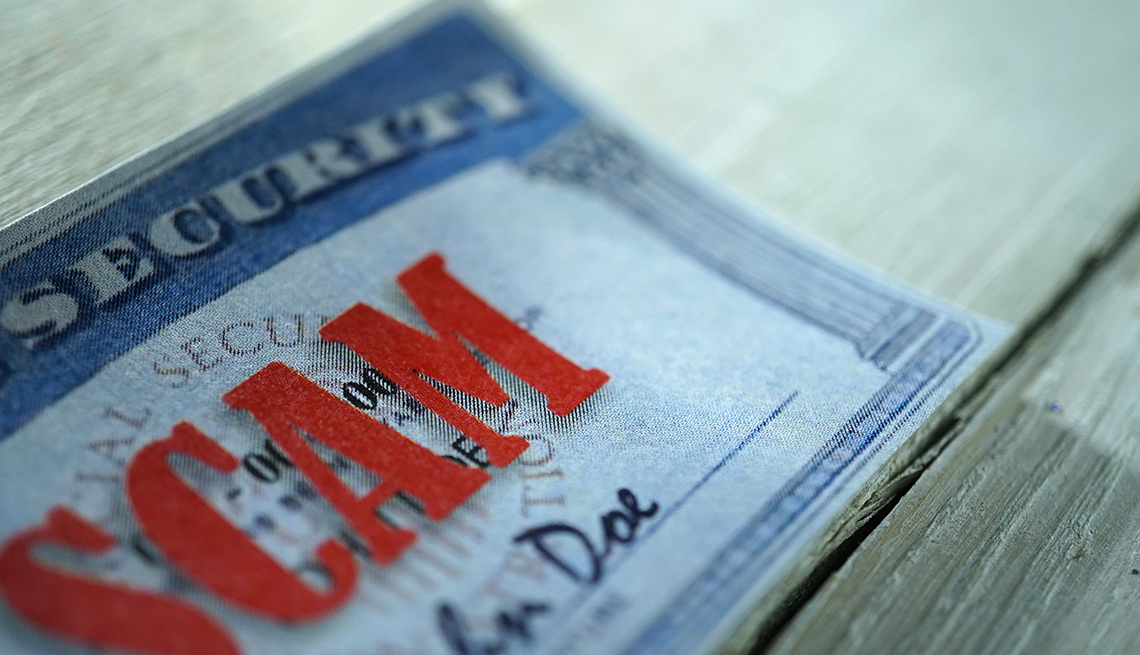
Just as inoculating someone with a weakened version of a virus can help to protect them against the real thing, recently published research suggests that exposing people to simulated Social Security scams in training sessions may be a powerful way to protect them against actual con artists.
Part of the secret to helping people resist scams is “breeding familiarity,” says Cliff Robb, an associate professor in the consumer science department at the University of Wisconsin-Madison and coauthor of two recent, Social Security–funded studies on preventing impostor fraud.
In these scams, crooks pretending to be from Social Security, the IRS, Amazon or other familiar entities send emails or text messages that aim to deceive their targets into giving up money or sensitive personal information. Social Security is the most common subject of government impostor fraud, according to the Federal Trade Commission, which received more than 217,000 complaints about such scams in 2021. Victims reported $148.5 million in losses.
The Social Security Administration (SSA) posts detailed information on its website about impostor scams (as does AARP) and uses other channels to spotlight the problem, including prominent “scam alert” warnings on envelopes of mail sent to millions of Americans.
