
Editorial Note: We earn a commission from partner links on Forbes Advisor. Commissions do not affect our editors’ opinions or evaluations.
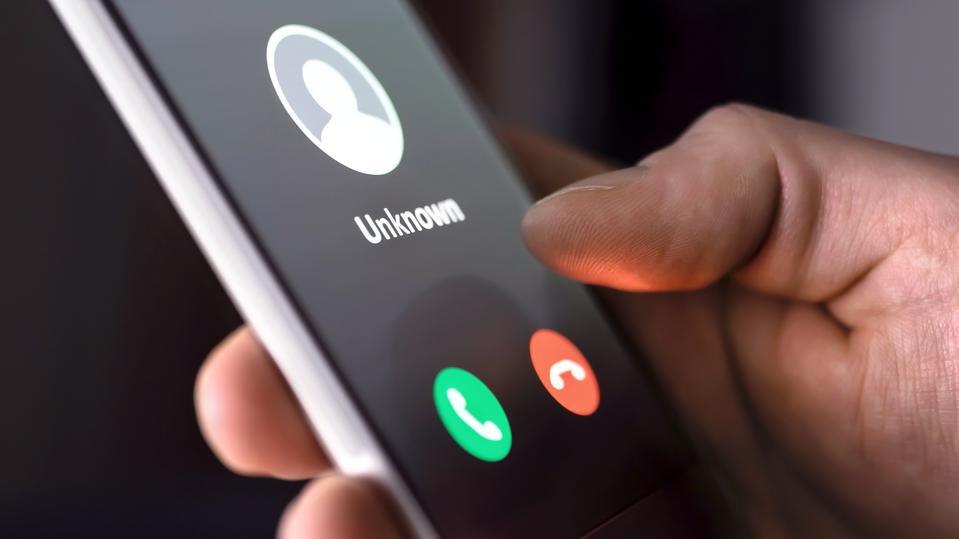
We’ve all been there: Your cellphone rings with a call from an unknown number. You hesitate. The area code is local, so it might be your doctor’s office or the new business associate you were expecting to hear from.
So you answer, only to be greeted by someone claiming your car warranty is expiring or you’ve inherited some money. The caller says they just need to collect your banking details to send you the funds.
But don’t give out the information, because it’s very likely the caller is a fraudster.
The New Realities of Vishing: Voice Phishing
With robocalls, telemarketers and full-on cybercriminals all trying to reach you, answering the phone has become quite a risk. Today’s phone-based fraud—called voice phishing, or “vishing”—uses manipulative tactics to get victims to reveal private information that can be used for digital theft.
The prevalence of these schemes is at an all-time high, according to the quarterly threat trends and intelligence report from PhishLabs and Agari by HelpSystems, where I work as senior fellow for threat research. The research found vishing cases skyrocketed by 550% from early 2021 to early 2022.
How Vishing Starts
How does a scam artist get your number? The short answer: It’s hard to know. Given all the data breaches in recent years, contact…
