
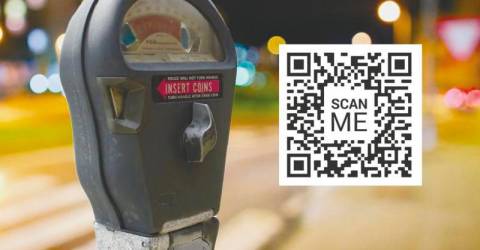
YOU see QR codes just about everywhere these days: Real estate listings, television advertisements and social media posts touting what look like great deals on must-have items.
The pandemic fuelled a surge in the use of QR codes. Seeking to cut down on possible transmission, restaurants replaced physical menus with online versions accessible on customers’ phones – scan that little square and find out what is the house special.
Cybercriminals have quickly taken note and started to exploit the technology’s undeniable convenience. Scammers are creating their own malicious QR codes, designed to dupe unwitting consumers into giving their banking or personal information.
Anytime a new technology comes out, cybercriminals will try to find ways to exploit it. This is especially true with technology like QR codes, which people know how to use but may be ignorant as to how they work.
QR codes – the abbreviated version of “quick response” – were invented in Japan in the 1990s. They were first used by the automotive industry to manage production, but have spread everywhere.
Websites and apps have cropped up that let you make your own.
QR codes are also being utilised by cybercriminals in email phishing scams. Scanning the bogus QR codes will not harm your phone, such as download malware into your phone, but it will take you to “scammy” websites designed to get bank accounts, credit card or other personal information.
Like any other phishing scheme, it is impossible…
