
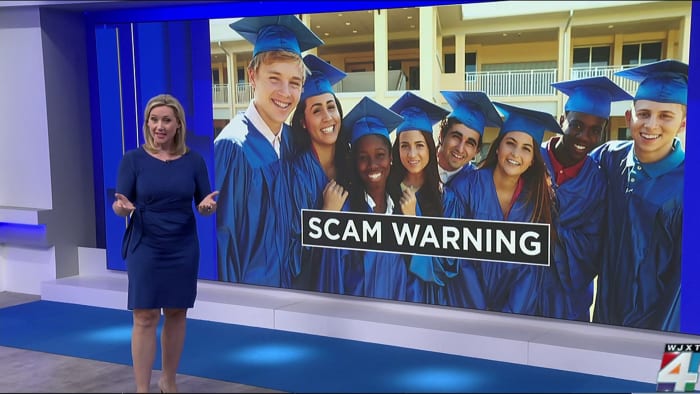
College graduates are navigating many life changes, and scammers are eager to take advantage of their inexperience. The following tips can help new grads avoid common scams.
Know the terms of your student loans
One of the most common ways scammers target college graduates is with fake loan forgiveness opportunities. You may receive an unsolicited email, phone call, or text message stating that you can qualify for lowered payments through a debt forgiveness program. To use the company’s services, just fill out a form and pay a fee. Some of these companies are real, but they pitch their services with false claims and incomplete information. Other companies are fakes, only hoping to get their hands on your personal information and money.
Scammers may also contact college grads regarding student loan repayment hiatus in response to COVID-19. See the latest U.S information on loan repayment. Check Canada’s latest student loan information. Scammers may claim that to take advantage of the program, you need to complete a form or pay a fee. In reality, you may not need to do this, so check your facts before giving anyone your information.
Ad
Understanding the ins and outs of your student loan – what kind of interest you owe, when you need to start paying (in most cases you won’t need to make a payment until six months after you’ve graduated), and for how long you’ll be expected to make payments — will protect you from these scams.
