
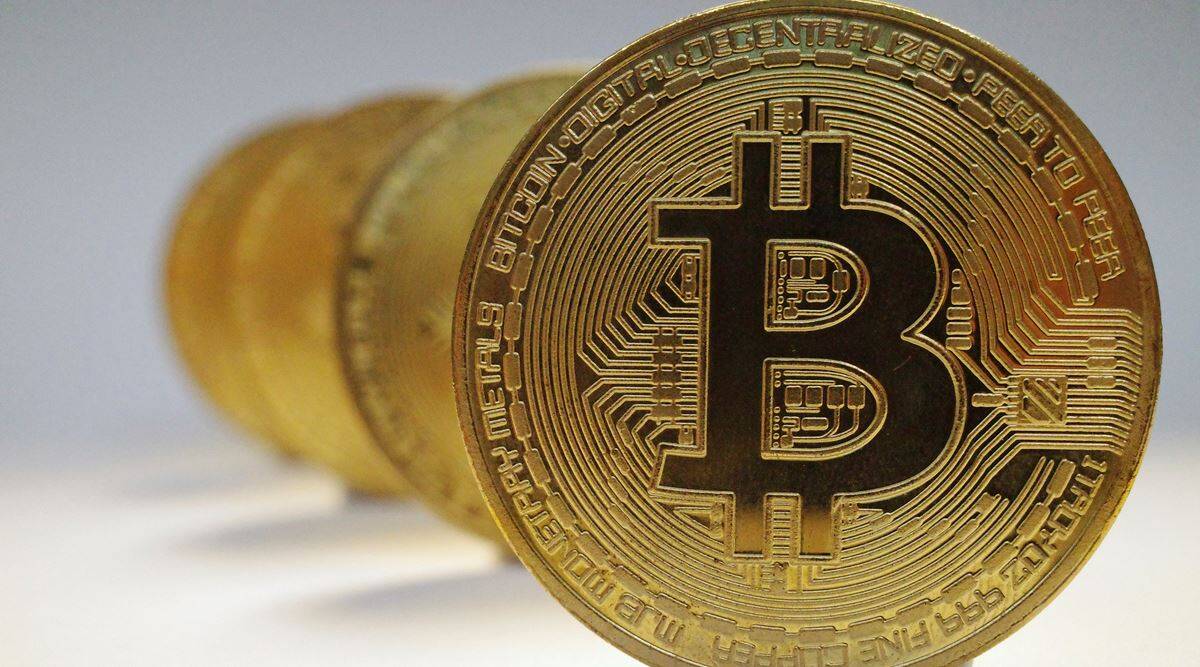
Cryptocurrency has been a controversial topic ever since its existence. It has been widely criticised for its volatility, and its impact on the environment and is even referred to as a ‘Ponzi scheme’ by top economists. However, some countries still believe in the decentralisation power of cryptos such as El Salvador, which made Bitcoin a legal tender in September 2021, followed now by the Central African Republic in April this year.
The legal status of cryptos varies from country to country. Here we list all the top countries that made cryptos legal, illegal or unregulated (with some restrictions).
Algeria
In 2018, Algeria passed a financial law—making all crypto transactions illegal. This includes holding and trading any digital assets. Any violation of the law is subjected to an offence and is punishable.
Bolivia
In 2014, Bolivia made crypto illegal. The Bolivian Central Bank issued a resolution that banned cryptos, instead of rug pull cases and scams which cost investors a fortune. According to the Bolivian government, cryptocurrencies should not be trusted as an investment.



China
China’s central bank in September 2021, made all cryptocurrency-related transactions illegal and put a blanket ban, sending the strongest signal yet of its determination to crack down on the industry.
All cryptocurrencies, including Bitcoin and Tether, are not fiat currency and cannot be circulated on the market, the People’s Bank…
