
The U.K.’s High Court has reportedly ruled that NFTs are property, separate from the underlying thing they represent. The counsel behind the case is calling the ruling a landmark decision with far-reaching implications for digital art, but lawyers in the U.S. that Artnet News spoke to weren’t that impressed.
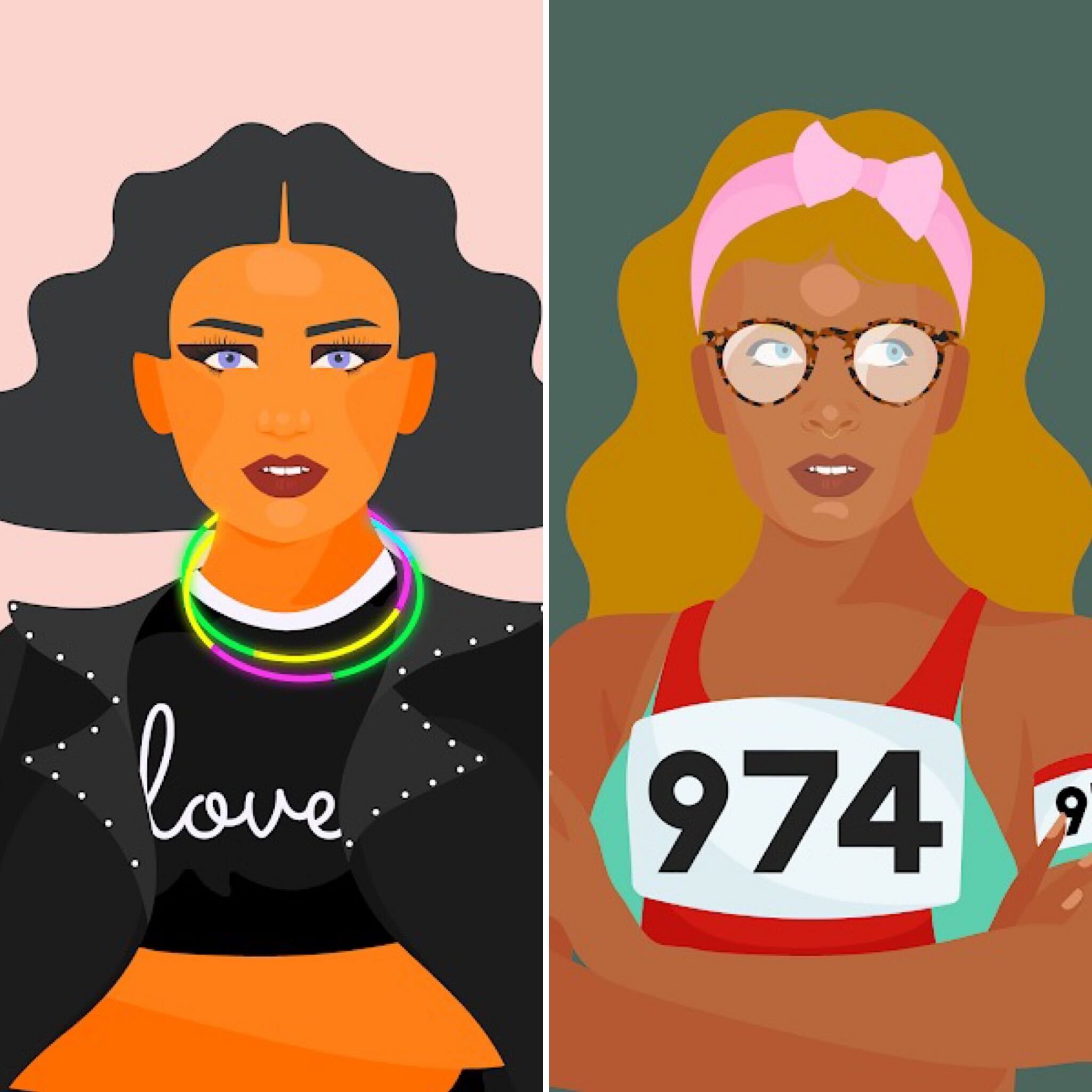
Lavinia Osbourne, who lives in London and is the founder of Women in Blockchain Talks, claims two Boss Beauties NFTs were stolen from her Metamask wallet earlier this year. She didn’t say how they were stolen. Boss Beauties is an NFT collection linked to images of “beautifully diverse, empowered women.”
The tokens ended up in two anonymous accounts in OpenSea. In an effort to reclaim them, Osbourne filed an injunction against the popular NFT marketplace. A judge overseeing the case ruled the NFTs were property, thereby enabling the court to issue an order requiring OpenSea to freeze the accounts, so the NFTs could not be moved or traded, and to provide information on the two account holders.
OpenSea declined to comment, but it has frozen the two NFTs in question: Boss Beauties 680 and 691.
A written judgment is expected later this week, but Racheal Muldoon, a counsel on the case, with the firm 36 Commercial law, told Artnet News the High Court’s decision “sets an important precedent in recognising for the first time that an NFT is property.” She added that the ruling “opens the way for defrauded NFT holders to claim back what is…
