
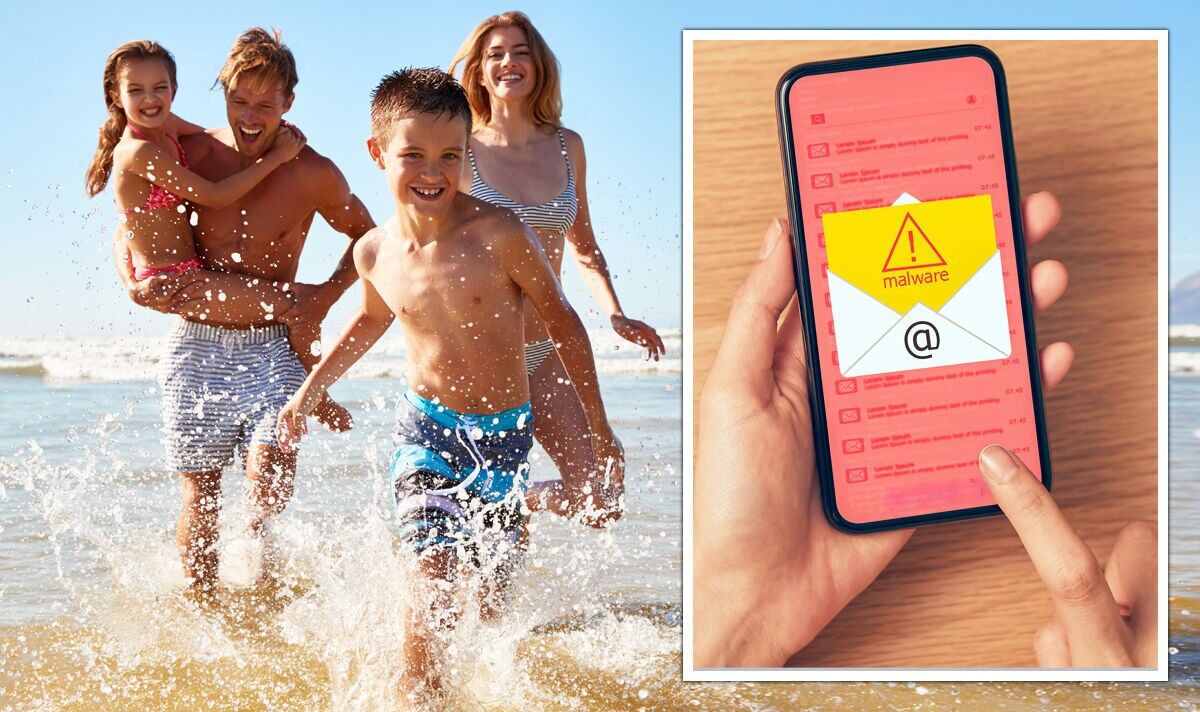
Criminals can expertly design websites that seem professional and convincing, using images of luxury villas and apartments that don’t exist to convince you they’re trusted and genuine. There have been increasing reports about holiday scams since the world started to open up again. Preying on people’s dreams of a welcome break away, after the past two years, most people are craving time away somewhere to recharge. Criminals play on all these consumer vulnerabilities and optimism.
Examples we have seen include:
- Fake booking websites
- Phishing scams where people are emailed with “too good to be true” deals
- Holiday cancellation refund scams
Make sure you book a holiday with a reputable travel company or agent that is a member of a trade body such as ABTA or ATOL.
If you’re unsure please contact the company directly, not on a number you’re provided in an email.
Taking a moment to stop and think before parting with your money or information could keep you safe.
READ MORE: Evil clairvoyant scams ‘play on fear and on social isolation’ – watch out for fraud scheme
Read terms and conditions and research the organisation you’re booking through before making any purchases. Verify that addresses exist through web searches and online maps.
Use a company that is a member of a trade body such as ABTA or ATOL.
Always use the secure payment options recommended by reputable online travel providers.
Finally, use a credit card when making purchases over £100 and up to £30,000 as you receive…
