
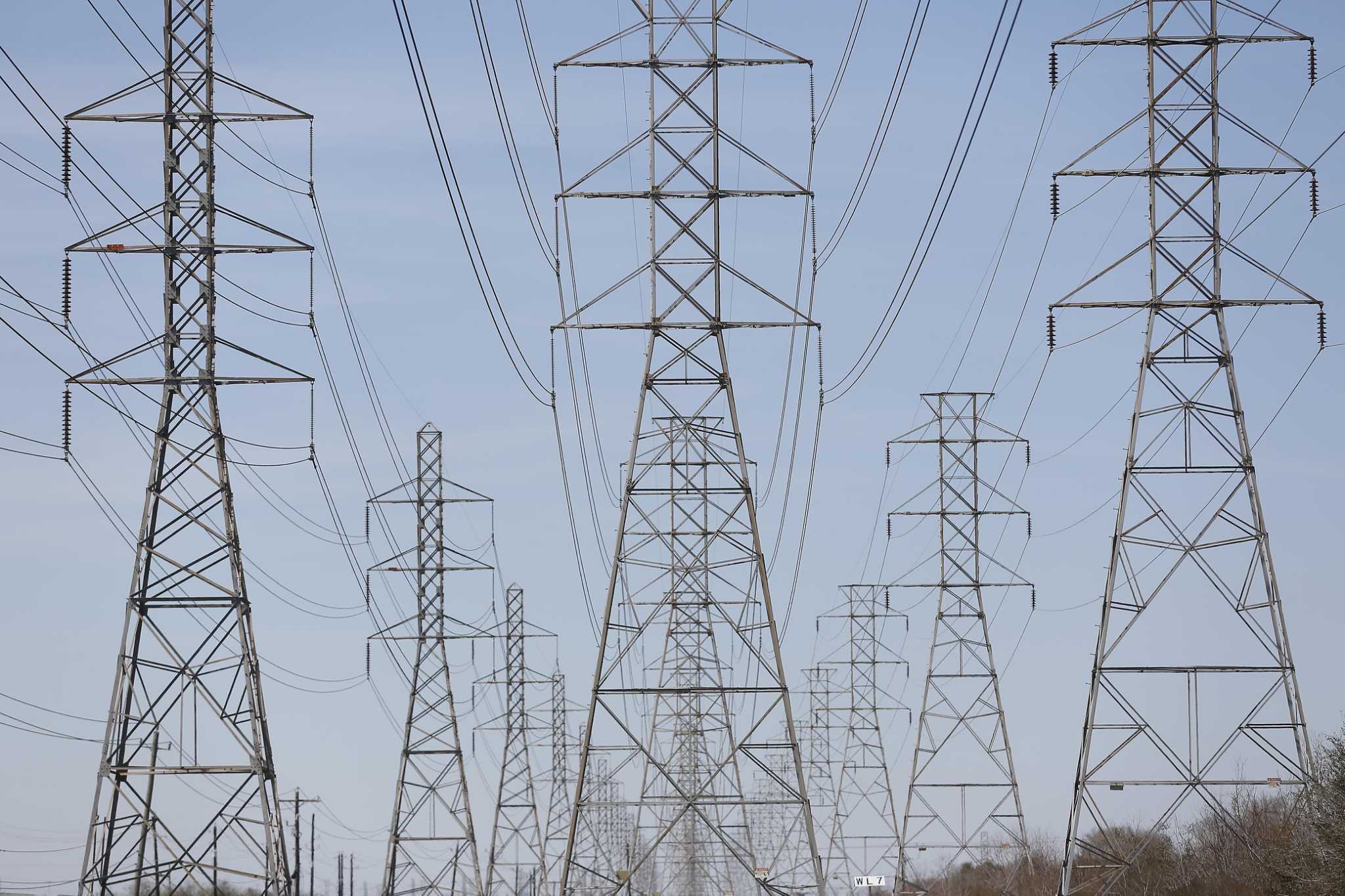
Of all the proposals to avoid another Texas electricity crisis, surely the most outside-the-box is Gov. Greg Abbott’s plan to increase electricity demand from cryptocurrency mining. The idea is to beef up demand with new, electricity-intensive crypto mining, which will then attract new supply. Then, when the grid is strained, scale back crypto demand and have that supply available for other consumers. Clever, right? Or maybe a bit too clever.
Of course, cryptocurrencies themselves are controversial: Are they a Ponzi scheme or brilliant currency innovation? Does their mining destroy the environment or support a clean energy transition? Is crypto mining an economic boost for surrounding communities or a visual and noise nuisance? Let’s set those issues aside for now and focus on whether Abbott’s plan for grid reliability will work.
At first, the answer may seem to be obviously no: Adding demand will just make supplies tighter.
But promoters of this plan highlight that their economic thinking goes beyond short-run demand to consider the longer-run additional supply that increased demand would elicit by encouraging new generation to be developed. The plan would also leverage the potential for crypto mining electricity demand to be highly price-responsive and nimble, so it could quickly disappear when the price shot up.
Boosting capacity or picking up excess?
But the actual impact of this demand on the market…
