
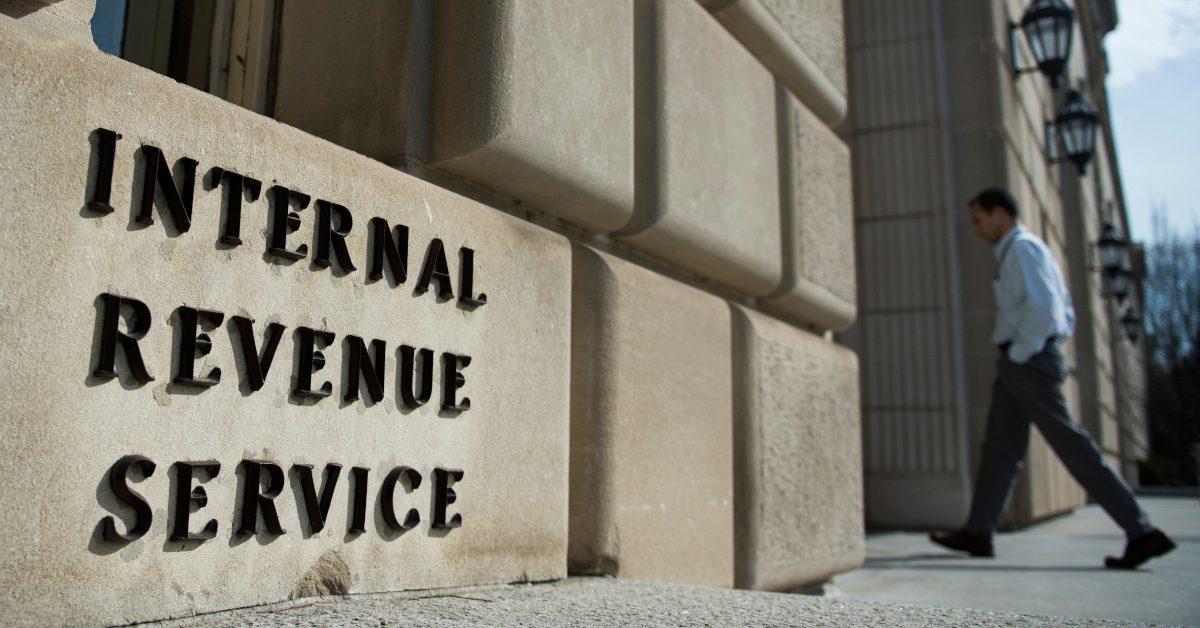
Every April, tax season brings panic and confusion to millions across the United States. If that wasn’t bad enough, it’s also accompanied by a wave of potentially costly tax-related scams and insidious Internal Revenue Service (IRS) impersonations.
The best way to defend against these ploys is to arm yourself with information. Luckily, Snopes has been fighting and debunking IRS and tax scams for two decades. Here’s some of what we’ve learned.
Why IRS and Tax Scams Are So Widespread
Over the years, IRS scams have taken various forms: phishing; malware; ransomware; spear phishing; and so on. Their levels of technological sophistication vary, as do the degree of human interaction required to make the con work. In general, though, as we have observed many times, three primary reasons explain why IRS and tax scams are so popular and, at times, so successful:
- Authority. Few government agencies elicit panic and fear the way that the IRS does. An email from your local borough council, or the county assessor’s office might grab your attention. An email or text message that appears to be from the IRS definitely will, and that’s a good start for any would-be scam.
- Universality. If you don’t own a car, an auto insurance con is going to fall at the first hurdle. Unless you have an account with Bank of America, a scary-looking email from that company won’t work on you. But the vast majority of adults in the U.S. have dealings with the IRS, so tax scams…
