
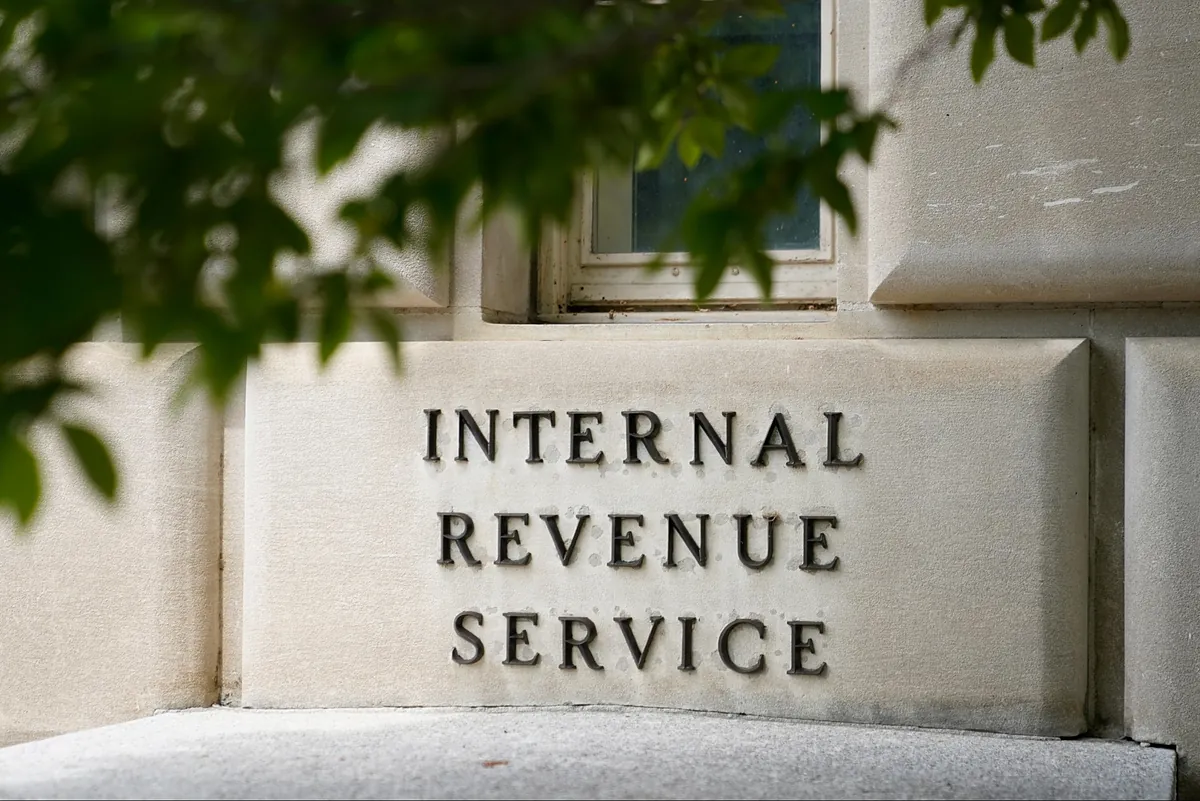
The IRS has issued a consumer alert following concerns about various tax scams and misleading social media advice that led many taxpayers to file inflated refund claims last season. The IRS highlighted scams related to the Fuel Tax Credit, Sick and Family Leave Credit, and household employment taxes. Thousands of taxpayers filed dubious claims, resulting in delayed refunds and the need for substantial documentation to prove eligibility.
IRS Commissioner Danny Werfel cautioned: “Scam artists and social media posts have perpetuated a number of false and misleading claims that have tricked well-meaning taxpayers into believing they’re entitled to big, windfall tax refunds.” He noted that these fraudulent claims are typically caught during the IRS’s fraud review process, and taxpayers who filed such claims should prepare for an extensive review and potentially long wait times for legitimate refunds.
Three recurring themes in these bad refund claims involve legitimate tax provisions but are often misapplied. These are the Fuel Tax Credit, which is meant for specific business uses like farming; Credits for Sick Leave and Family Leave, which are no longer available for 2023 tax returns; and household employment taxes, where taxpayers falsely claim to have paid wages.
The IRS is urging taxpayers to avoid falling for these scams and to consult a trusted tax professional. Taxpayers who have already filed incorrect claims are advised to amend their returns. “These improper claims have…
