
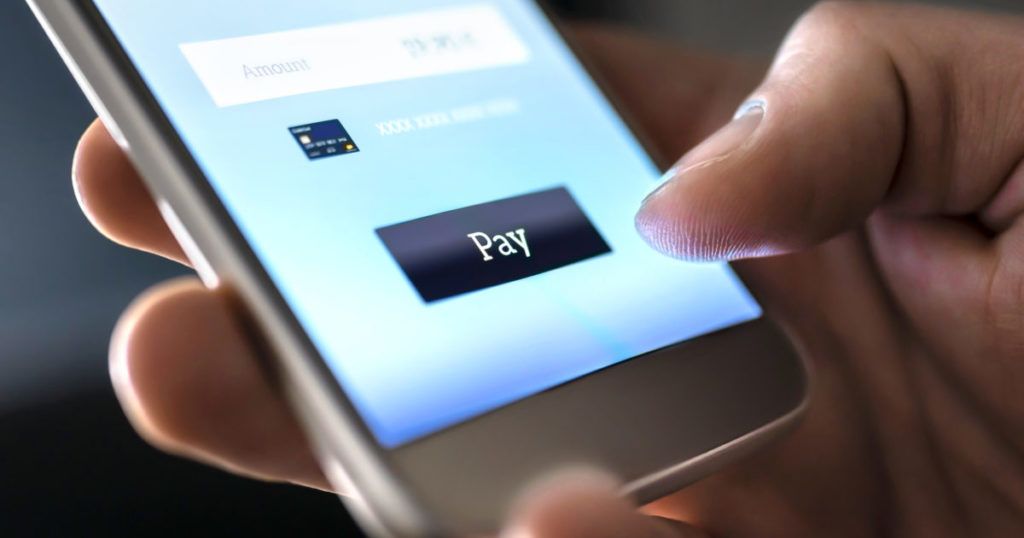
Peer-to-peer (P2P) payment sites let you transfer money from your bank account or credit card account to someone else using an app on your phone. Some of the most popular apps are Cash App, Paypal, Venmo and Zelle.
These apps are convenient and easy to use, but there are risks involved. P2P apps are not federally insured or regulated. This means that there is little protection offered to customers.
Any app can be targeted by scammers and hackers. Scammers can trick you into authorizing and sending payment. If you make a payment, even if you were tricked by a scammer into making the transaction, you can’t cancel the payment once you have sent it. Payments happen instantly and are irrevocable.
Common Payment App Scams
There are four main kinds of payment app scams. I’ll share a brief description of each one so you know the warning signs.
Seller Scams
These can take many different forms, but typically the seller is offering merchandise or some type of service and requests payment through a P2P app. But even though you’ve paid, the merchandise or service is never delivered. Don’t use P2P apps to pay for goods or services. Instead, use another more secure method of payment such as a credit card.
Unauthorized Transfers
This happens when a hacker gains access to your account or device and makes a transaction that you did not approve. They may use phishing to obtain personal information and hack into your P2P or bank account. This can lead to financial and identity…
